Local sources from India: The Guardian, Central Tibetan Administration.
UK coverage: The Guardian.
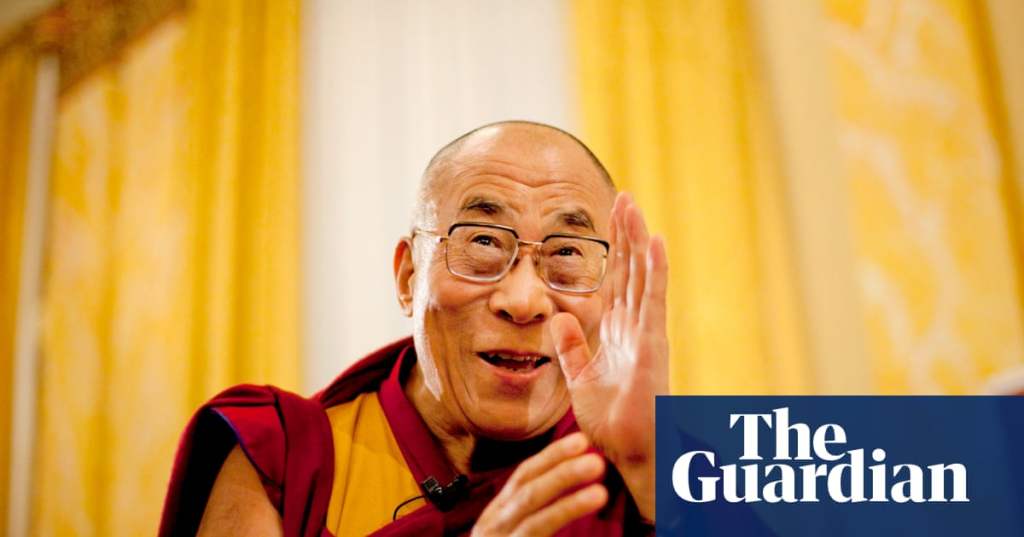
In a significant announcement that reverberates across geopolitical lines, the Dalai Lama, nearing his 90th birthday, has made clear his intentions regarding the process of selecting his successor. Amidst the serene backdrop of Dharamshala, India, the spiritual leader of Tibetan Buddhism, Tenzin Gyatso, has unequivocally stated that the reincarnation process to identify his successor will remain within the traditional methods upheld by a trust of closely allied monks. This declaration sets a definitive stance against years of speculation and mounting concerns over potential interference by the Chinese government, which has aggressively claimed the right to appoint the next Dalai Lama and has undertaken measures to diminish his influence in Tibet. The Dalai Lama’s decision underscores a deepening rift with China, which regards him as a separatist, while he continues to be a towering figure advocating for Tibetan autonomy and religious freedom. As the Dalai Lama approaches his 90th birthday on July 6, 2025, the stakes could not be higher, not just for Tibet, but for the intricate geopolitical dynamics involving India and China. India’s tacit support for the Dalai Lama’s stance potentially leverages the Tibet issue in its broader relations and strategic rivalry with China. This situation sets the stage for an unprecedented scenario following the Dalai Lama’s death, where two successors could potentially be appointed – one by Tibetan monks in adherence to their traditional practices, and another by the Chinese government in a move to assert control over Tibet’s future. Such a development would not only deepen the existing geopolitical rifts but also cast a long shadow over the future of Tibetan Buddhism and its followers. The Dalai Lama’s recent declaration is a bold move designed to safeguard the integrity of the reincarnation process, ensuring it remains free from external interference, particularly from Beijing, which has consistently sought to assert its authority over the matter. This historic standoff is not merely about the religious and cultural identity of Tibet but is emblematic of the broader struggles for autonomy, religious freedom, and the right to self-determination in the face of overpowering geopolitical agendas.
 TheLittleTwentieth - Renowned Papers Edition, AI Infused