Local sources from Italy: Il Messaggero, Fanpage.
UK coverage: Daily Mail.
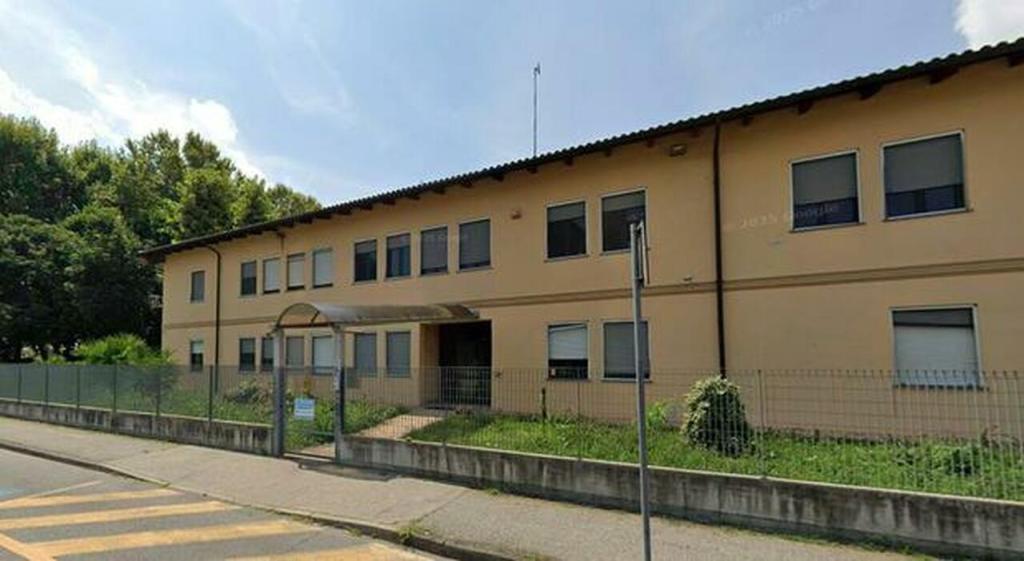
In a shocking discovery near the small town of Lauriano, Italy, two young children, aged nine and seven, have been found living in severe neglect on a remote farm. The siblings, described by the media as ‘ghost children,’ were found unable to speak, read, or write, communicating instead in their own primitive language. Local authorities were alerted to their situation following a flood that necessitated an eviction order, uncovering their existence in squalid living conditions without any formal education or healthcare. The children’s 54-year-old Dutch father, a sculptor, claimed he had secluded them to protect against infections, including COVID-19, and was providing home education. However, the severe neglect highlighted by their inability to perform basic life skills prompted immediate intervention by the Turin Juvenile Court, leading to their care being entrusted to the state.
The case has sparked widespread media attention and community shock in Italy, bringing to light the phenomenon of unregistered ‘ghost children’ — those living on the margins of society without formal recognition or basic rights. The children, not known to the Italian State and estimated to be among approximately 400 unregistered births annually in the country, were living in what some reports described as almost total isolation. Their father’s obsession with COVID-19 and fear of societal interactions led to a life of isolation for the siblings, denying them not only social interactions but also the fundamental rights to education and healthcare.
Following the eviction that exposed their living conditions, authorities have placed the children in protected communities, aiming to reintegrate them into society and provide the care and education they were denied. The father defends his actions, claiming to have provided for his children within their isolated world, including activities like skiing and horse riding. Yet, the evidence of neglect was undeniable, prompting a swift response from child protection services to ensure the children’s safety and well-being.
This harrowing story has underscored the hidden crises of child neglect and the challenges faced by children born to parents living outside societal norms, often without recognition or protection from the state. As the community of Lauriano and wider Italian society grapple with the implications of this case, it serves as a stark reminder of the importance of vigilance and support for the most vulnerable in society.
 TheLittleTwentieth - Renowned Papers Edition, AI Infused