Local sources from Spain: BBC, BBC.
UK coverage: Euronews.
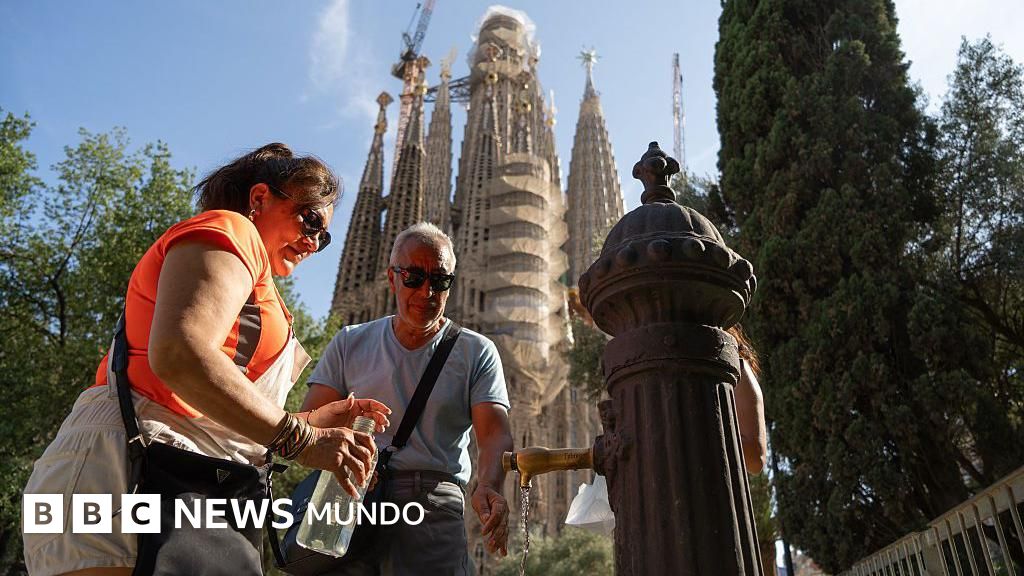
Southern Europe is currently in the throes of a severe heatwave, with temperatures skyrocketing above the 40°C mark across Italy, Spain, Greece, and several other nations, leading to widespread health alerts and warnings of potential wildfires. This unprecedented rise in mercury levels has prompted authorities throughout the affected areas to issue red and high-alert warnings, focusing on extreme heat and the heightened risk of wildfires. These measures aim to safeguard vulnerable populations and restrict outdoor labor during the hottest parts of the day. UN Secretary-General António Guterres has underscored the influence of climate change in exacerbating the frequency and severity of such extreme weather phenomena, labeling the current extreme heat conditions as the ‘new normal.’ Both tourists and residents are seeking refuge from the oppressive heat by finding shade and staying hydrated, as countries battle the dual threats of record temperatures and wildfires. The government and local authorities are taking decisive steps to mitigate the immediate dangers and health implications tied to these extreme temperatures. Amidst this scorching scenario, the importance of understanding the wet bulb temperature has been highlighted, given its critical role in measuring the cumulative effect of heat and humidity, which can signal lethal conditions when elevated. With recent temperatures in Spain reaching a staggering 46°C and global warming contributing to an increase in both air temperatures and humidity levels, the risk of reaching dangerous wet bulb temperatures is on the rise. This presents significant health risks, particularly to the vulnerable segments of the population. The call for urgent action against climate change has never been louder, with the necessity to innovate climate action by 2025 being emphasized as a measure to avert catastrophic outcomes. The heatwave, which has led to the issuance of red alerts in 16 Italian cities, including major tourist hotspots like Rome, Florence, and Bologna, is indicative of a global pattern of more frequent, intense, and prolonged heatwaves attributed to global warming. Efforts to protect vulnerable populations and restrict exposure to direct sunlight during peak hours are in full swing. Notably, the Acropolis in Athens was temporarily closed to protect visitors from the heat, and evacuations were prompted on the Spanish island of La Palma due to wildfires. The heatwave, referred to as ‘Cerberus,’ is part of a troubling trend of rising global temperatures, with another heatwave, ‘Charon,’ expected to further elevate temperatures above 40°C in the coming week. This phenomenon is not confined to Europe alone; in the U.S., a ‘dangerous’ heatwave is anticipated to affect around 113 million people across several states. With the National Weather Service (NWS) warning that heat is the leading cause of weather-related fatalities in the country, the current situation serves as a stark reminder of the urgent need for global efforts to combat climate change and adapt to its inevitable impacts.
 TheLittleTwentieth - Renowned Papers Edition, AI Infused