Local sources from Kenya: Al Jazeera, BBC.
UK coverage: Sky News.
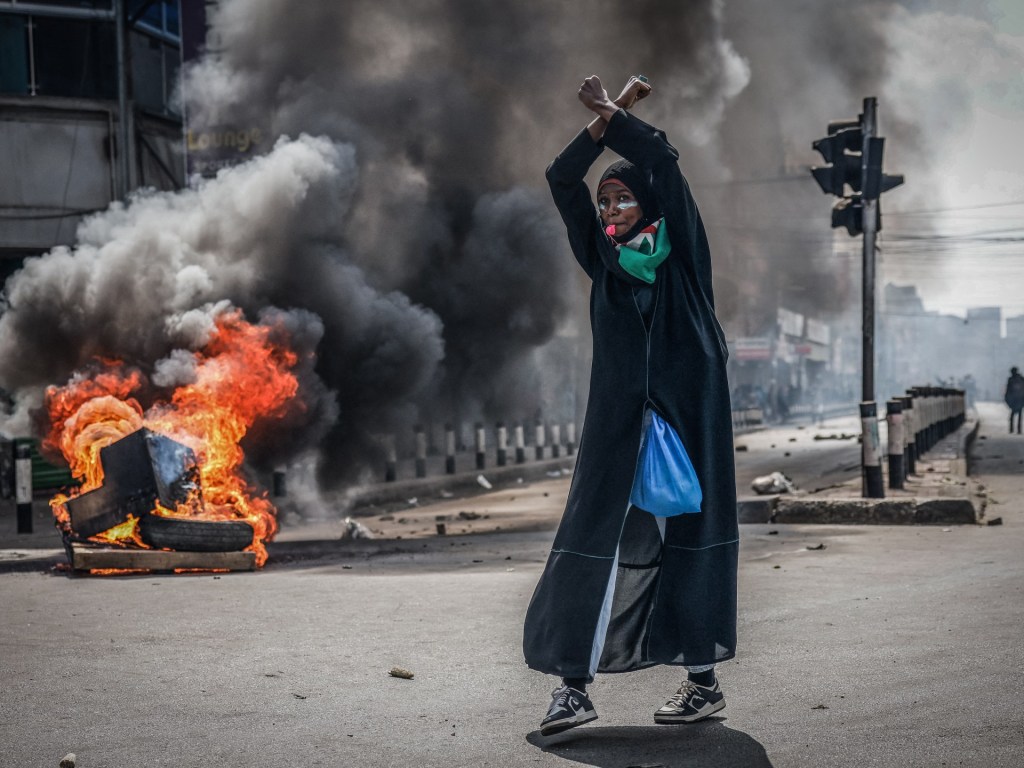
In Kenya, a wave of anti-government protests has tragically resulted in the deaths of 16 individuals and injuries to over 400, as reported by Amnesty Kenya. The nation finds itself embroiled in turmoil, marking the somber anniversary of last year’s demonstrations against proposed tax increases. These protests were met with stern resistance from police forces, employing water cannons and tear gas against the demonstrators, with most fatalities attributed to police actions, including at least five individuals shot dead. The Kenyan National Commission on Human Rights has raised concerns over allegations of excessive force by the police, spotlighting the use of live ammunition and rubber bullets in their response. Amidst this chaos, large crowds were seen advancing towards the president’s residence in Nairobi, facing off against a heavy police deployment aimed at quelling the unrest.
A detailed report from Al Jazeera sheds light on the nationwide discontent, highlighting the confrontations primarily in Nairobi. The protests, sparked by opposition to police brutality and government corruption, were a direct response to youth-led demonstrations a year prior, which were ignited by tax increases proposed by President William Ruto. The government’s reaction to the recent demonstrations included road blockades, barricading of government buildings, cessation of live protest coverage, and restrictions on social media platforms. The growing dissent stems from accusations of police brutality and the government’s handling of critics, prompting calls from international embassies for calm and condemnation of the violence. The Ministry of Foreign Affairs has emphasized the significance of diplomatic partnerships and assured that any policing violations would be investigated through proper government channels.
Adding a layer of complexity to the situation, BBC reports the charging of three Kenyan police officers in connection with the death of blogger Albert Ojwang, who died in police custody under controversial circumstances. Ojwang’s death, following allegations of defamation against Kenya’s deputy police chief on social media, has sparked public outrage and demands for justice. An autopsy has contradicted initial police claims of self-inflicted wounds, hinting at assault. The incident, coupled with the critical injury of street vendor Boniface Kariuki by police during a demonstration, has intensified criticisms of police conduct. His family, along with activists, are demanding justice, with calls for a ‘total shutdown’ in protest against police violence echoing through the streets. These events have prompted further calls from foreign embassies and human rights organizations for transparency and accountability within Kenya’s policing and governance.
As Kenya confronts this wave of unrest, the spotlight on police brutality, government accountability, and the citizens’ right to peaceful protest remains more critical than ever. The international community watches closely, hoping for a resolution that brings peace and justice to the affected.
 TheLittleTwentieth - Renowned Papers Edition, AI Infused