Local sources from Russia: Происшествия в Орле – сегодня, URA.RU.
UK coverage: BBC.
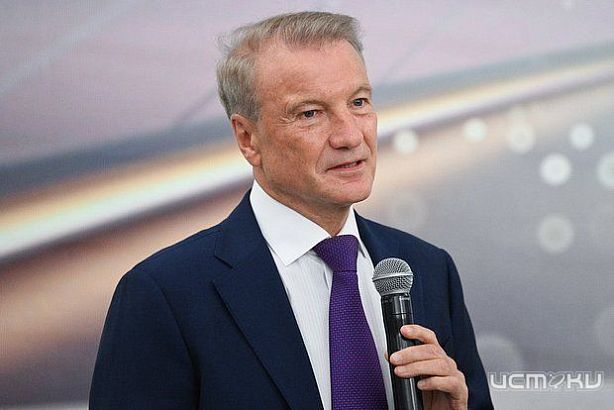
In the face of ongoing geopolitical tensions and economic sanctions, Russia’s economic landscape is undergoing significant scrutiny and adaptation. Recent discussions at the 28th St. Petersburg International Economic Forum (SPIEF) shed light on the nation’s economic challenges and strategic directions as articulated by key figures in the Russian government and industry. Herman Gref, President and Chairman of the Board of Sberbank, during a traditional business breakfast at SPIEF, outlined the primary challenges confronting the Russian economy. Gref highlighted high interest rates, the scarcity and cost of labor, an unfriendly investment climate, export difficulties, and restricted access to technology as critical issues. He emphasized the compounded impact of international sanctions, describing the current situation as a ‘perfect storm’ that hampers business profitability and delays critical investments. Gref pointed to the need for population growth or enhanced labor productivity as essential for economic advancement, urging a focus on optimizing business productivity and leveraging technological innovations, including artificial intelligence, to bolster competition and innovation. The discourse underscored the importance of reducing external dependencies through technological updates and AI to foster sustainable growth. Concurrently, Russian President Vladimir Putin, in his address at SPIEF, accentuated the achievements and challenges of Russia’s economy. Putin underscored Russia’s global economic standing, its achievements in poverty reduction, and the ongoing need to address wage insufficiencies, social inequality, and business support. He projected ambitious goals for Russia, including becoming a top 20 business destination by 2030, mass adopting the digital ruble, and fostering a high-wage economy pivoted on productivity and technological advancements steered by the private sector. Putin’s remarks also highlighted significant GDP growth exceeding global rates despite challenging conditions and emphasized the integration of defense and civilian industries alongside the development of domestic electronic platforms to enhance Russia’s investment attractiveness. These discussions at the SPIEF encapsulate the complexities of Russia’s economic landscape amidst global uncertainties and sanctions. While significant challenges persist, there is a concerted effort from both governmental and industry leaders to navigate these hurdles through strategic economic policies, technological innovation, and an emphasis on reducing external vulnerabilities. As Russia endeavors to recalibrate its economic strategies amid these adversities, the insights from SPIEF offer a glimpse into the nation’s adaptive mechanisms and future directions in an ever-evolving global context.
 TheLittleTwentieth - Renowned Papers Edition, AI Infused