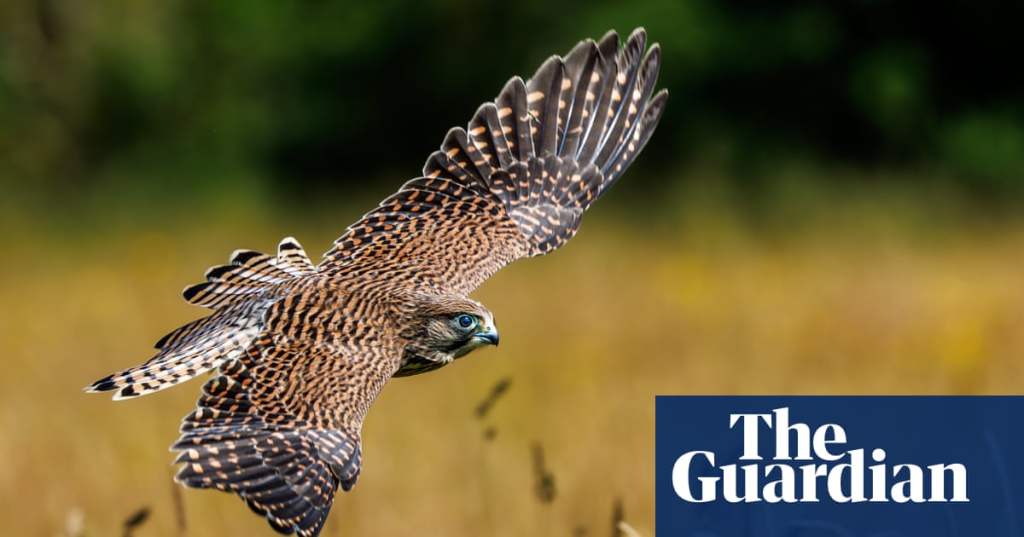
Local sources from United States: The Guardian, National Audubon Society.
UK coverage: The Guardian.
In an age where digital screens often dominate our attention, a growing number of people are turning their eyes to the skies, embracing birdwatching—a hobby that not only promises adventure and tranquility but also carries significant mental health benefits and economic impact. Drawing insights from two noteworthy articles from The Guardian and the National Audubon Society, it’s clear that birding has transformed into both a cherished pastime and a substantial industry in recent years. The Guardian’s ‘How to become a birder: 10 easy ways to start this life-changing hobby’ serves as an inspirational guide for those curious about engaging with nature through the lens of birdwatching. It emphasizes the simplicity and accessibility of starting the hobby, highlighting that one need not venture far from home to discover the diverse avian life. The article shares personal anecdotes and expert advice on how to recognize and appreciate the birds in our local environment, spotlighting the Merlin Bird ID app as a valuable tool for beginners. Beyond identification, the article encourages joining birding groups and participating in citizen science projects, underlining the sense of community and purpose that comes with the hobby. On the other side of the spectrum, the National Audubon Society’s article ‘Birding Is a Booming Hobby—and a Big Business’ sheds light on the economic dimensions of birdwatching. With an estimated 96 million birders in the U.S. alone, the hobby has seen a significant uptick, especially following the pandemic. In 2022, birders spent over $107 billion on their passion, supporting 1.4 million jobs and underlining the hobby’s substantial contribution to the national economy. This financial boost is particularly notable in areas hosting birding festivals, such as Ohio’s Biggest Week in American Birding, which catalyzes local business growth. Furthermore, the article discusses the increasing diversity among birders and the potential for significant conservation funding and political influence to emerge from this booming hobby. Together, these articles illustrate a multifaceted picture of birdwatching today. It’s a hobby that not only nurtures personal well-being and connects individuals to the greater web of life but also acts as a powerful economic engine and a potential force for conservation. As birding continues to gain followers, its impact—both personal and societal—seems poised only to grow, offering a rare blend of joy, solace, and significance in our modern world.
 TheLittleTwentieth - Renowned Papers Edition, AI Infused