Local sources from United States: The New York Times, CNN.
UK coverage: HuffPost UK.
In a disconcerting blend of politics and military display, President Donald Trump’s recent decision to hold a birthday parade has stirred controversy and criticism from various corners of American society, including from within the military ranks. Retired National Guard Major General Randy Manner has voiced a potent critique against the utilization of the military for such events, emphasizing the importance of maintaining the U.S. Army’s apolitical stance and its tradition of modesty in anniversary celebrations. Speaking at a ‘No Kings’ protest, Manner articulated concerns that using the military in this manner diverges from the ethical compass of ‘quiet professionals’ and potentially erodes public trust in an impartial military. This comes in the wake of Manner’s previous criticisms of Trump’s decision to deploy the military during civil unrest in Los Angeles, further underlining the delicate balance between military authority and civil governance.
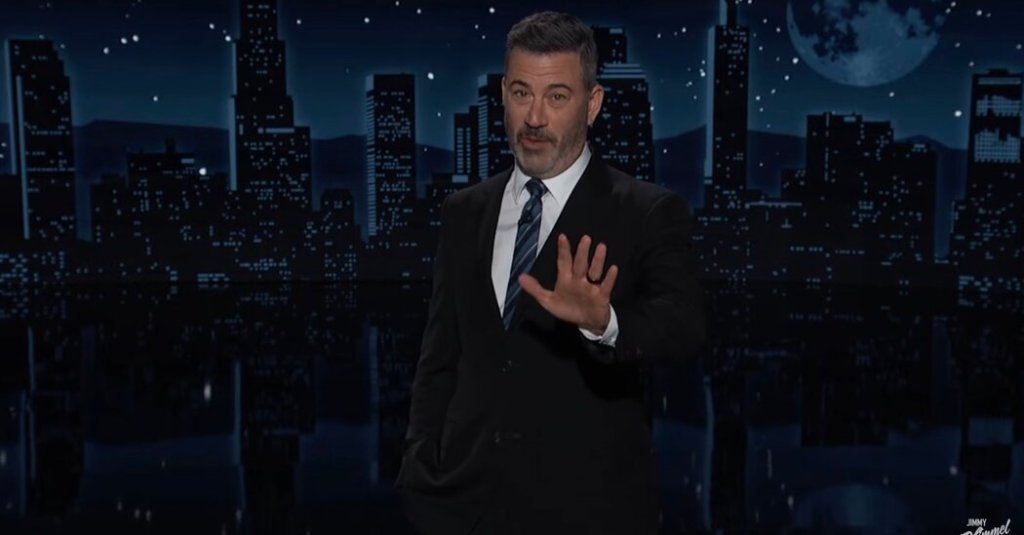
The spectacle has not only provoked discussion within military and political circles but also captured the imagination of late-night television. According to a report from The New York Times, the parade, ostensibly a grand gesture, was met with a lukewarm reception from late-night hosts, with Jimmy Kimmel pointing out the irony in Trump, who controversially deferred military service, hosting a military parade. The piece, penned by Trish Bendix, highlights the manner in which late-night television has become a platform for political and social commentary, often cloaked in satire but pointed and poignant in its critique.
Meanwhile, CNN reported on Jon Stewart’s ridicule of Trump’s parade, drawing parallels with military displays in North Korea, an analogy that underscores the unease with which such spectacles are viewed by some. However, due to missing content or miscommunication, the detailed commentary from Stewart remains unexplored in this chronicle.
The unfolding narrative around Trump’s military parade – encompassing criticism from retired military personnel and satirical barbs from the realm of entertainment – reflects a broader discourse on the intersection of military tradition, political ambition, and the role of satire in political commentary. As the debate continues, the core issue remains the preservation of an apolitical military as a cornerstone of American democracy and the ethical implications of its use in political pageantry.
 TheLittleTwentieth - Renowned Papers Edition, AI Infused