Local sources from Egypt: الجزيرة نت, العربي الجديد.
UK coverage: Spiked.
In what was envisioned as a monumental display of international solidarity with the people of Gaza, the Global March to Gaza found itself ensnared in a web of local disdain, security crackdowns, and the stark realities of Middle Eastern politics. The initiative, which drew participants from 80 countries, aimed to pressure Israel to end its blockade of Gaza and shed light on the ensuing humanitarian crisis. However, the endeavor met an abrupt halt in Egypt, where authorities deported dozens of foreigners and detained others, signaling a grim reminder of the chasm between Western activism and the complexities of Arab-world politics.
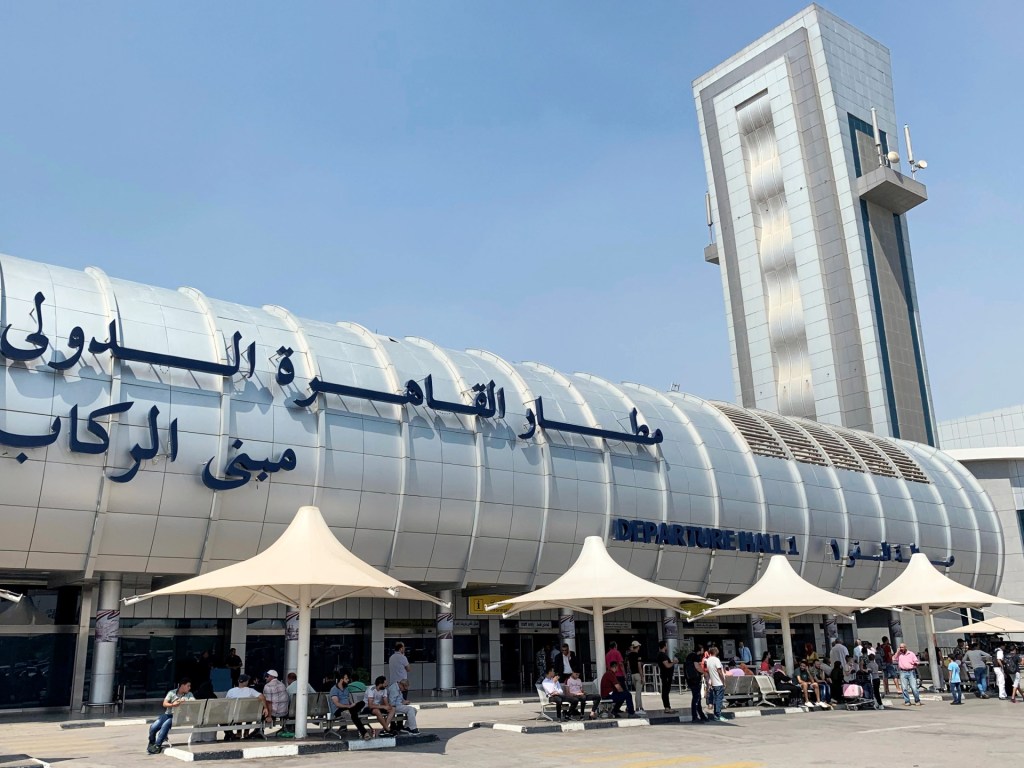
Organizers of the march had meticulously planned the event, coordinating with over 15 Egyptian embassies and the Foreign Ministry to ensure a smooth procession towards the Rafah crossing. Despite these efforts, more than 20 members of the French delegation found themselves detained at Cairo airport for over 18 hours, while citizens from Colombia and Algeria were among those deported. Egyptian authorities, maintaining their stance on securing the Rafah border, required prior coordination, which they claim was not adequately met.
The situation escalated as Israel’s Defense Minister issued an order to prevent what he termed ‘jihadist demonstrators’ from entering Gaza, leaning on Egyptian authorities to halt the activists’ movement. The Egyptian Foreign Ministry later underscored the necessity to pressure Israel to open the Rafah crossing from the Palestinian side, a statement that, while highlighting the blockade’s impact, did little to assuage the tensions arising from the stopped activists.
In a parallel development, the ‘Steadfastness Convoy,’ supported by various organizations, including ‘The Coordination of Joint Action for Palestine,’ faced its own setbacks. Dozens of activists were stopped in Ismailia as they made their way to Gaza, despite possessing the necessary visas. This incident, broadly condemned on social media, raised questions about the Egyptian authorities’ motives, suggesting a possible deliberate obstruction.
These events have cast a shadow over the efficacy of Western-led ‘pro-Palestine’ activism, critiqued for its potential cultural appropriation and white saviorism. The backlash from locals and the stringent response from security forces underscore a narrative of activism that, while well-intentioned, may lack the nuanced understanding required to navigate the intricate socio-political landscapes of the Middle East. As such, these developments prompt a reevaluation of international solidarity efforts, pushing for a more informed and respectful approach that transcends mere self-gratification and genuinely contributes to the Palestinian cause.
 TheLittleTwentieth - Renowned Papers Edition, AI Infused