Local sources from France: Sud Ouest, L’Express.
UK coverage: Euronews.
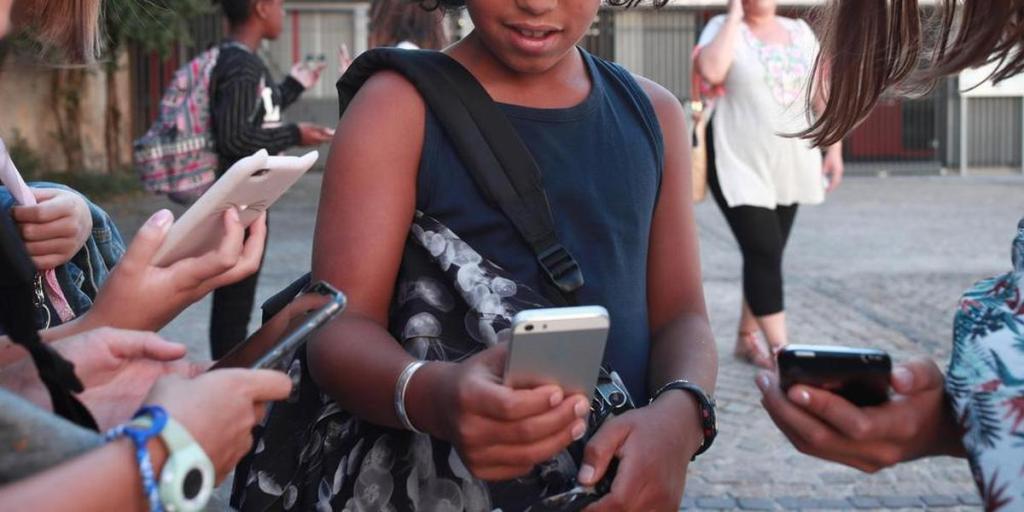
In an era where the digital landscape is as integral to our daily lives as the air we breathe, the question of how to regulate minors’ access to social media platforms is a topic of heated debate across Europe. With French President Emmanuel Macron at the forefront, promising to spearhead efforts to restrict social media usage among children and teenagers, nations across the continent are grappling with the practicality and implications of such measures. This initiative, underscored by the tragic incident involving a 14-year-old in Nogent, has propelled the issue of online safety for the younger generation into the spotlight. Macron’s stance, emphasizing the need for a united European response—yet prepared to go it alone with France if necessary—raises questions about the feasibility and effectiveness of a blanket ban for those under 15 years of age. The recent tragic event has lent urgency to Macron’s cause, with the French leader linking unrestricted social media access to various societal harms, including cyberbullying and mental health issues. France, alongside Greece and Spain, is pushing for a digital age of majority set at 15 across the European Union, a move that would significantly alter the online landscape for millions of young Europeans. The complexities of implementing such restrictions are manifold, touching upon issues of privacy, technological enforcement, and the broader implications for digital rights under the European Union’s General Data Protection Regulation (GDPR). Countries like Australia, China, and several European nations have already embarked on this challenging journey, deploying a mix of digital age thresholds and outright bans in a bid to shield minors from the darker corners of the internet. The debate extends beyond the shores of Europe, reflecting a global concern over the impact of digital platforms on the young minds of tomorrow. As nations navigate the delicate balance between protection and privacy, the world watches on, keen to see how this ambitious endeavor unfolds. Amid these efforts, the role of parents, educators, and technology providers in safeguarding children’s online experiences remains a critical piece of the puzzle. As this debate rages on, the ultimate goal remains clear: creating a safer, more nurturing digital environment for the next generation.
 TheLittleTwentieth - Renowned Papers Edition, AI Infused