Local sources from Colombia: RTVE.es, BBC.
UK coverage: The Telegraph.
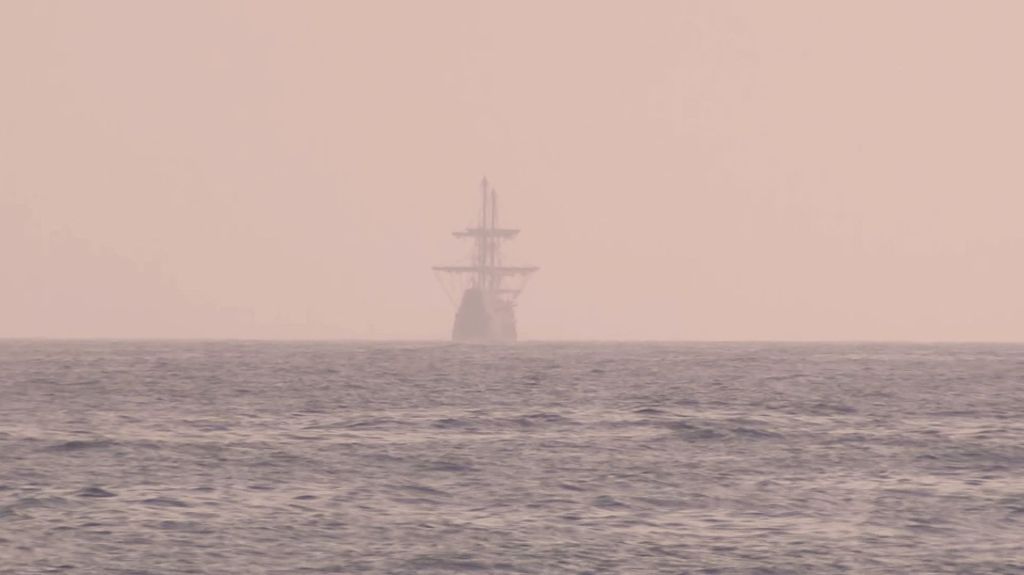
In a striking blend of history, technology, and international dispute, the San José galleon, sunk near Cartagena, Colombia, in 1708 and believed to hold treasures worth £16 billion, becomes the center of a complex narrative. This Spanish ship, laden with gold, silver, and emeralds from Peru meant for funding the War of the Spanish Succession, was intercepted by the British Royal Navy, altering the course of history. Recent confirmations by Colombian academics that a wreck found off the country’s coast in 2015 is indeed the San José have reignited discussions about heritage, preservation, and ownership.
The story, covered by both RTVE.es and the BBC, outlines contrasting approaches and intentions towards the galleon’s remains and its valuable cargo. RTVE.es reports on the evolving perspective of the Colombian government towards the San José, initially a target for treasure hunters but now recognized as a cultural heritage site under President Iván Duque’s administration. This shift underscores a commitment to preserving the wreck as an archaeological artifact rather than exploiting it for its wealth, in line with UNESCO’s Convention on Underwater Cultural Heritage principles. The narrative is further complicated by Spain’s claim to the ship as its nation of origin and the Qhara Qhara nation from Bolivia’s assertion over the resources, considering the minerals were extracted from their land.
Simultaneously, the BBC highlights the Colombian government’s endeavors to begin extracting artifacts from the San José using cutting-edge deep-water technology. This operation, carefully planned to avoid damaging the wreck, involves remotely operated robots designed to recover items for future exhibition, indicating a move towards making this submerged heritage accessible to the public. The initiative, however, faces scrutiny from those who favor in-situ conservation and is tangled in international ownership disputes.
Together, these reports delineate a multifaceted story of a historic shipwreck caught between the interests of preservation, the allure of treasure, and the complexities of international law and heritage. As Colombia moves forward with its plans, the world watches, intrigued by the potential discoveries and the ongoing debates over who rightfully owns the treasure of the San José, the ‘Holy Grail of the Caribbean’.
 TheLittleTwentieth - Renowned Papers Edition, AI Infused