Local sources from Bulgaria: bloombergtv.bg, Forbes Bulgaria.
UK coverage: Financial Times.
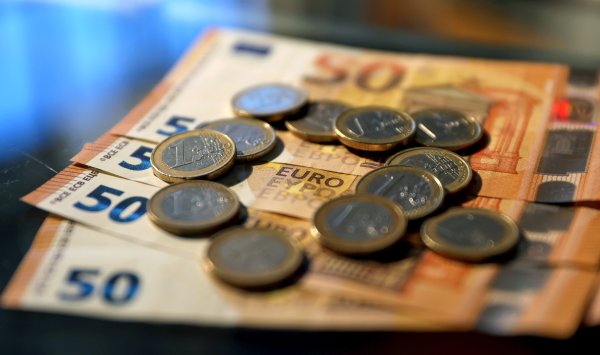
Bulgaria is poised to become the 21st member state of the Eurozone by January 1, 2026, a significant milestone that underscores the country’s economic progress and alignment with the European Union’s fiscal and monetary standards. This development follows a comprehensive evaluation by the European Central Bank (ECB) and the European Commission, which confirmed that Bulgaria has successfully met the necessary convergence criteria, including price stability, fiscal stability, exchange rate stability, and the compatibility of its national legislation with the EU framework. The journey to Eurozone membership has been a strategic objective for Bulgaria, reflecting years of rigorous economic reforms and participation in the Currency Mechanism II (ERM II) and the Banking Union since July 10, 2020. The country’s accession into the Eurozone is expected to fortify its economy by facilitating stronger trade relations with other member states, attracting foreign direct investments, enhancing access to financing, and creating new job opportunities. A final decision on Bulgaria’s entry into the Eurozone will be made on July 8, after further consultations with the European Parliament and discussions within the European Council. This advancement not only signifies a new chapter in Bulgaria’s economic history but also leaves Romania, Poland, Czech Republic, Hungary, Sweden, and Denmark as the remaining EU nations outside the Eurozone. Bulgaria’s successful convergence with the Eurozone’s stringent criteria demonstrates the nation’s dedication to economic stability and growth, setting a precedent for other EU countries aspiring to join the Eurozone.
 TheLittleTwentieth - Renowned Papers Edition, AI Infused