Local sources from Germany: Merkur, STERN.de.
UK coverage: Financial Times.
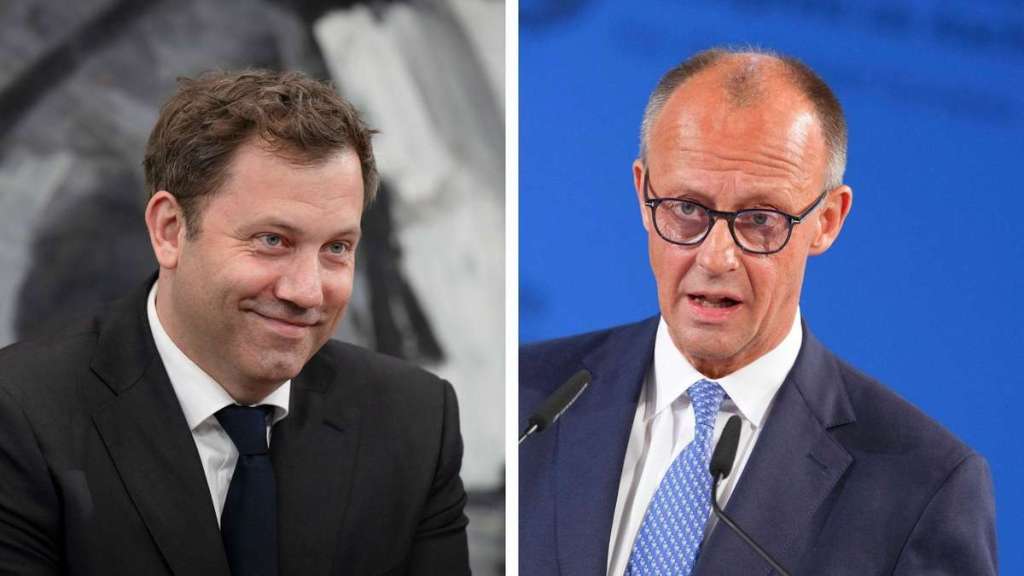
In a significant shift in fiscal policy, the German government, led by Friedrich Merz, has announced ambitious plans to implement major tax cuts, aiming to breathe new life into the country’s economy. Set to commence in 2025, these tax reductions are part of a broader strategy to enhance Germany’s competitiveness on the global stage, addressing long-standing concerns of high taxation rates in comparison to other OECD and EU countries. Finance Minister Lars Klingbeil has outlined a series of measures that are expected to provide substantial financial relief to businesses and individuals alike, propelling Germany towards a more prosperous economic future.
According to reports from Merkur, the Merz government’s initiative will see a phased reduction in taxes for businesses starting in 2025, with the total relief anticipated to reach 17 billion euros by 2029. The first phase will introduce a 2.5 billion euro reduction in 2025, encompassing measures such as an ‘investment booster,’ cuts in corporate tax rates, and new depreciation options for electric vehicles. This comprehensive package is designed to stimulate investment, drive innovation, and ultimately make Germany a more attractive place for business.
In addition to the information provided by Merkur, STERN.de highlights the broader scope of Friedrich Merz’s economic agenda as outlined in the CDU’s Agenda 2030. This far-reaching plan not only focuses on reducing the tax burden for both individuals and companies from January 1, 2026, but also aims to abolish the traditional eight-hour workday, reform welfare benefits, and significantly reduce bureaucracy. By simplifying corporate taxes and increasing the threshold for tax-exempt income, the government seeks to foster economic growth and reduce the administrative load on companies and citizens. Fighting the ‘bureaucracy monster’ through reduced reporting obligations and enhanced data sharing among authorities is also a key component of this agenda.
The proposed tax cuts and policy reforms represent a bold attempt by the German government to address the economic challenges facing the country. By stimulating economic growth and making structural reforms, the government believes it can create the financial leeway necessary for further modernizations and investments. This multifaceted approach to revitalizing the German economy underscores the government’s commitment to not only improving the competitiveness of its businesses but also enhancing the overall quality of life for its citizens. As the world watches closely, the success of these measures could set a precedent for economic policy innovation in other nations grappling with similar issues.
 TheLittleTwentieth - Renowned Papers Edition, AI Infused