Local sources from Turkey: BBC, Hürriyet.
UK coverage: The Independent.
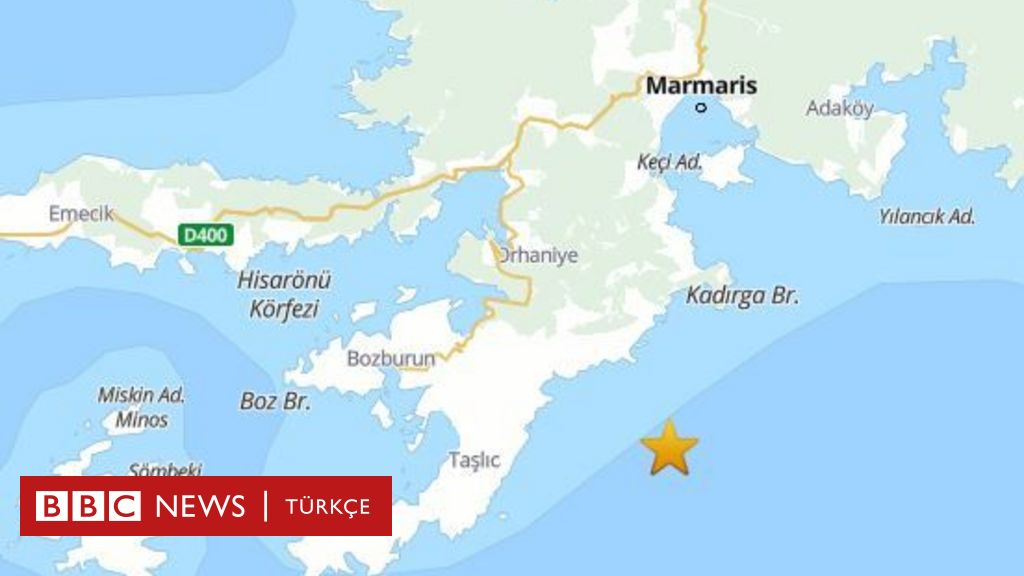
In a startling event that jolted the Aegean region, a 5.8-magnitude earthquake struck near the island of Rhodes, causing widespread panic and damage across southern Greece, western Turkey, and several Greek islands. Occurring at 02:17 local time on June 3, 2025, the earthquake’s epicenter was located 29km north of Rhodes and had a depth of 68km. Tragically, the quake has resulted in at least one fatality and dozens of injuries, predominantly in the Turkish city of Fethiye and other parts of the Mugla province. A 14-year-old, Afranur Günlü, lost her life due to a panic-induced incident, marking a somber moment for the region. The Disaster and Emergency Management Presidency (AFAD) of Turkey and the European-Mediterranean Seismological Centre reported the quake’s magnitude at 5.8 and 6.2, respectively, highlighting its significant impact across a wide area. Despite the severity of the earthquake, there have been no reports of substantial damage to infrastructure or buildings, a testament to the region’s preparedness for seismic activity. However, the emotional and psychological toll on the affected populations is evident, with many experiencing fear and anxiety in the quake’s aftermath. Local and international response teams have been mobilized to provide assistance and support to those in need, as the region is known for its seismic activity due to the presence of major fault lines across Turkey. Tourists in Rhodes experienced violent shaking, prompting travel advisories and safety instructions from agencies like TUI, advising British tourists to remain calm and follow local guidance. The local authorities, including the governors of Mugla and Izmir and the mayors of affected areas, have been actively involved in the response efforts, ensuring the safety and well-being of both residents and visitors. Prof. Dr. Şükrü Ersoy and Prof. Dr. Efthimis Lekkas, experts in earthquake science, have provided insights into the quake’s characteristics and potential aftershock risks, emphasizing the importance of ongoing vigilance and preparedness. As the region recovers from this natural disaster, the resilience and solidarity of the affected communities shine through, serving as a beacon of hope amidst the challenges posed by nature’s unpredictable forces.
 TheLittleTwentieth - Renowned Papers Edition, AI Infused