Local sources from Norway: Nettavisen, Firda.
UK coverage: BBC.
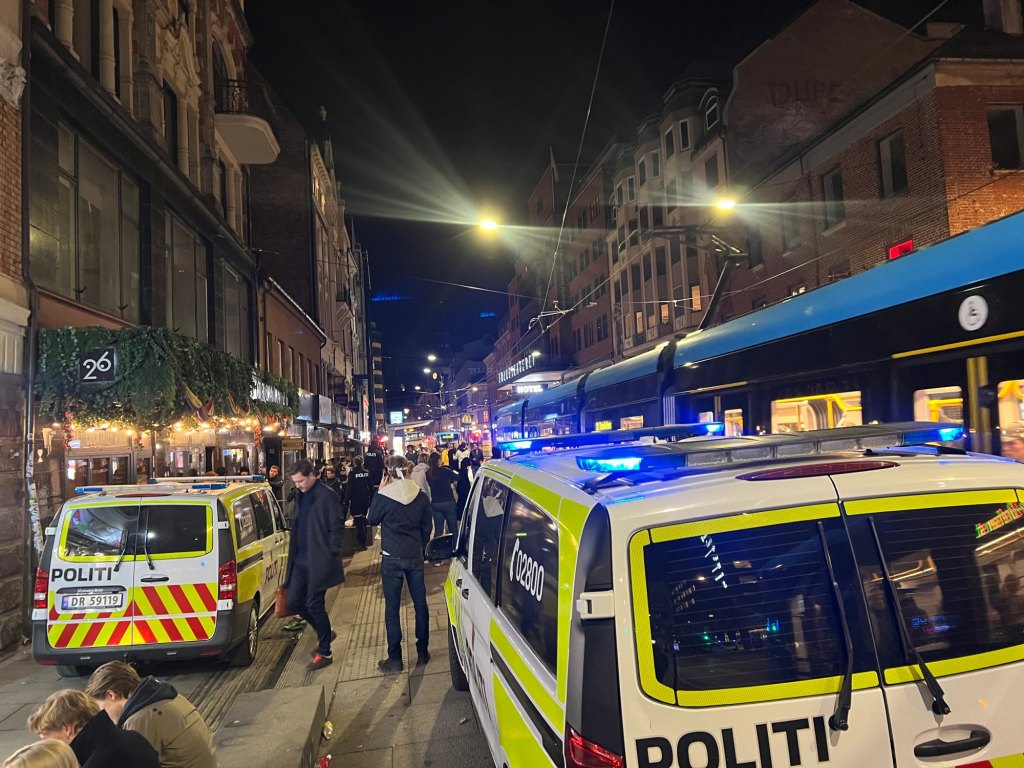
In a move that has attracted widespread attention, Norway’s education minister, Kari Nessa Nordtun, has sparked a national dialogue about the timing and nature of the traditional ‘russetid’ celebrations, a rite of passage for graduating high school students that has been a staple of Norwegian culture since its inception in Oslo in the early 1980s. Nordtun’s call to postpone the festivities until after exams is driven by concerns over the impact of these celebrations on students’ academic performance, social exclusion, and financial pressures on families. The tradition, known for its elaborate bus parties, has seen costs soar to up to 3 million krone for some groups, sidelining those who cannot afford to participate and creating a divide among students. The government’s response aims to foster a more inclusive environment that reduces peer pressure and ensures that all students can partake in graduation celebrations without the burden of excessive spending or academic compromise. This initiative reflects a growing recognition of the need to adapt long-standing traditions to contemporary values and societal needs. The urgency of these concerns was underscored by a recent incident in Oslo, where a russefest turned chaotic, necessitating police intervention. According to Bjarne Pedersen, the operation leader, approximately 400 youths gathered, many under the influence of alcohol, leading to a situation that security personnel struggled to control. The police were forced to deploy significant resources to manage the crowd, signaling the potential risks associated with such events. Meanwhile, in a related development, reports from Firda indicate that changes to the ‘russetid’ celebrations in the county will take effect from 2026. While details of these changes are yet to be fully outlined, the move signals a broader shift towards reevaluating and potentially reforming how graduation celebrations are conducted across Norway. These developments come at a time when there is increasing scrutiny on public events and gatherings, particularly those involving young people, and the impact they have on community well-being, public safety, and individual behavior. As Norway grapples with these challenges, the conversation initiated by Nordtun opens up a crucial debate on balancing tradition with the evolving needs of society, highlighting the importance of inclusivity, responsibility, and the well-being of young people in shaping the celebrations that mark their transition into adulthood.
 TheLittleTwentieth - Renowned Papers Edition, AI Infused