Local sources from Greece: LiFO, newmoney.
UK coverage: Sky News.
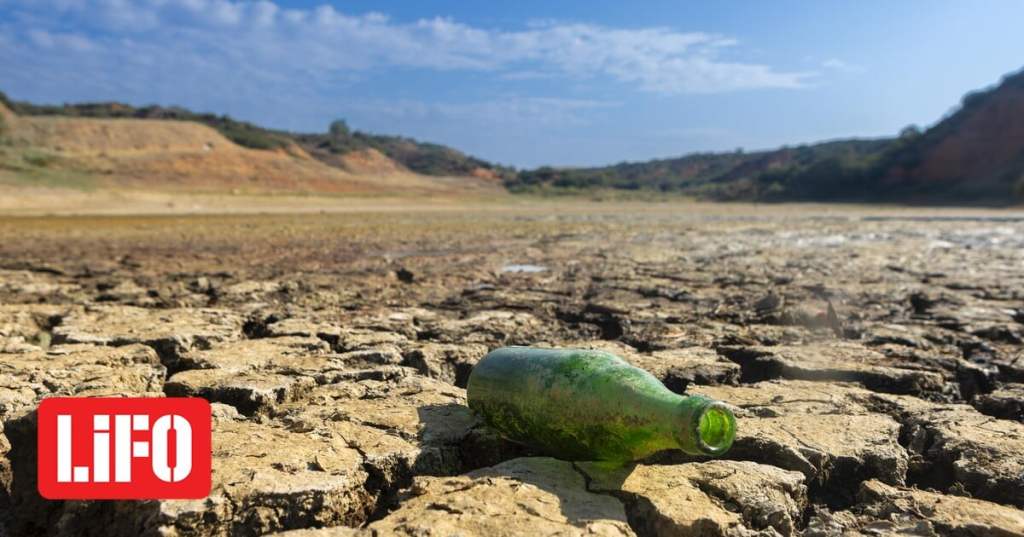
Europe is currently grappling with two major environmental and economic challenges that are affecting nations across the continent, highlighting the multifaceted impacts of climate change and natural variability on our planet. Over 40% of Europe is experiencing severe drought conditions, with the European Drought Observatory (EDO) reporting an alarming 41.2% coverage as of May. This drought is compounded by record-high temperatures and unusually low rainfall in March, affecting countries such as Spain, Cyprus, Greece, Albania, Poland, and Ukraine. Notably, the drought has severe implications for agricultural production, water resources, and increases the risk of forest fires, particularly in regions with already limited water infrastructure, such as several Greek islands. Beyond the immediate impacts on agriculture and water supply, climate change exacerbates these conditions, making droughts more frequent and severe. The International Hydropower Association has raised concerns about the pressure on energy infrastructure, alternating between prolonged droughts and extreme rainfall. This variability leads to significant economic losses, with damages from extreme weather events in the EU estimated at approximately €28.3 billion annually. Experts warn of a future marked by more prolonged and intense droughts, interspersed with heavy rainfalls leading to floods, a clear indicator of the changing climate patterns across Europe. In parallel, the energy sector is facing its own unique challenge with a phenomenon known as ‘wind drought’ – a prolonged period of reduced wind intensity that undermines wind energy production. Despite nearly $380 billion invested over the last decade to double installed wind power capacity, utility companies are encountering significant obstacles. A study by the University of Maine’s Climate Change Institute found that wind speeds from February to April had the largest deviation from the historical average since 1940, impacting energy production. To mitigate the financial risks associated with this variability, companies are turning to weather derivatives, a market aimed at compensating businesses when production falls due to adverse conditions. However, this solution brings its own set of challenges, including market opacity and a reliance on an unregulated financial mechanism that does not address the root causes of wind variability. These concurrent crises underscore the urgent need for Europe to adapt to the evolving impacts of climate change, both in terms of managing natural resources and adapting energy production to the realities of our changing world. The implications of drought and wind drought in Europe serve as a stark reminder of the interconnectedness of environmental conditions and the economic stability of the continent.
 TheLittleTwentieth - Renowned Papers Edition, AI Infused