Local sources from Israel: ynet, אמס.
UK coverage: Financial Times.
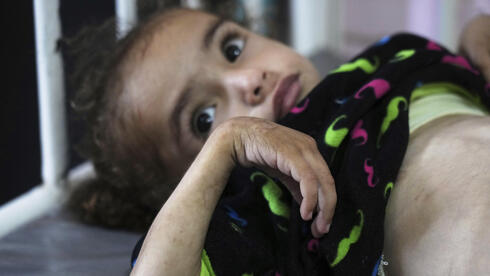
In recent developments, contrasting narratives have emerged regarding the dire humanitarian situation in the Gaza Strip, spotlighting the complexity of the crisis and the challenges faced in delivering aid. On one hand, international media outlets, relying on reports from the United Nations and Palestinian sources, paint a grim picture of famine and severe malnutrition affecting the region’s population, including the death of children due to lack of food. On the other hand, the Israeli Defense Forces (IDF), in a report highlighted by ‘News 12’ journalist Yaron Abraham, contend that while the Gaza Strip faces hardship, it does not amount to a famine in the clinical sense. The IDF’s stance challenges the prevailing media narrative, asserting that there is distress but not to the extent of a full-blown famine. According to the IDF, the situation, although critical in terms of medical services and food availability, is being addressed through improved aid distribution infrastructure, with plans to serve 1.2 million residents of Gaza. These conflicting reports emerge amidst Israel’s allowance of 107 aid trucks into Gaza, a move aimed at stemming the humanitarian disaster, yet reports indicate the aid is insufficient against the backdrop of the region’s needs. Issues of aid misappropriation and looting, with 110 incidents reported by the IDF, further complicate the delivery of humanitarian assistance. Despite these challenges, efforts to open new distribution points across the Strip are underway, aiming to alleviate the suffering of Gazans. This coverage underscores the nuanced and often contested nature of the crisis in Gaza, reflecting the difficulties in assessing and responding to the needs of those caught in the conflict.
 TheLittleTwentieth - Renowned Papers Edition, AI Infused