Local sources from Ukraine: Факти ICTV, BBC.
UK coverage: The Kyiv Independent.
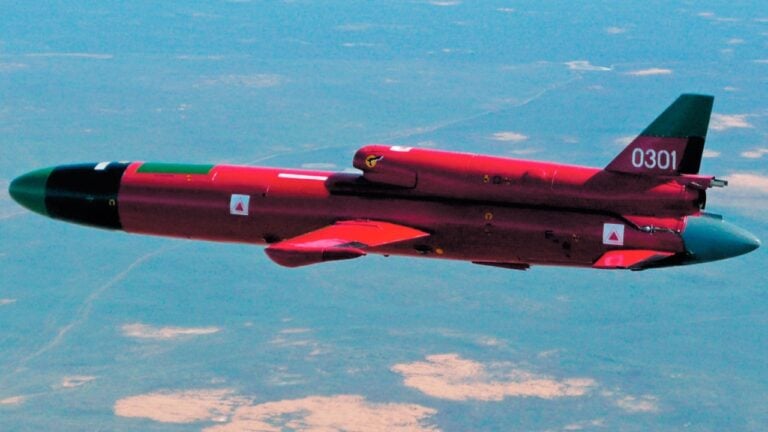
In a series of highly coordinated and devastating attacks, Russia has launched one of its largest aerial assaults on Ukraine since the war began, utilizing nearly a thousand drones and missiles over a span of three nights. This escalation has resulted in significant civilian casualties and underscored the evolving nature of modern warfare. The financial toll of these attacks remains challenging to quantify, given the Kremlin’s opacity regarding military spending and the varying costs of drone technology. Estimates suggest that a single Shahed drone, a key component of Russia’s aerial arsenal, could cost anywhere from $20,000 to $290,000, depending on its production nuances and modifications. This makes the total expenditure for Russia’s recent aerial campaign difficult to pin down but likely reaching into the high six figures. Russia’s ability to produce about 100 Shahed drones daily indicates a strategic shift towards sustained offensive capabilities in the air. In a revealing development reported by Факти ICTV, Russia has launched attacks using a new type of combat drone, the Dan-M, launched from occupied Crimea. These drones, initially designed as jet-powered targets for training purposes, have been repurposed for strike missions, capable of reaching speeds up to 750 km/h and altitudes of 9 km. The modification of these drones marks a significant adaptation in Russia’s military strategy, although the impact of the Dan-M drone attacks has not been fully detailed. On another front, the BBC reports on drone attacks targeting the Kharkiv region, highlighting the broader repercussions of the conflict. These attacks come amidst revelations of Serbia’s indirect munitions support to Ukraine, pointing to the complex international dimensions of the war. With a reported 800 million euros worth of munitions exported to Ukraine through intermediaries, the conflict pulls into sharp focus the intricate web of global military commerce and its implications for regional stability. As the war in Ukraine continues to evolve, the introduction of new drone technologies and the strategic deployment of aerial assets underscore a shifting battlefield dynamic, one that promises to shape the course of the conflict in unforeseen ways.
 TheLittleTwentieth - Renowned Papers Edition, AI Infused