Local sources from Germany: T-Online, Euronews.com.
UK coverage: Financial Times.
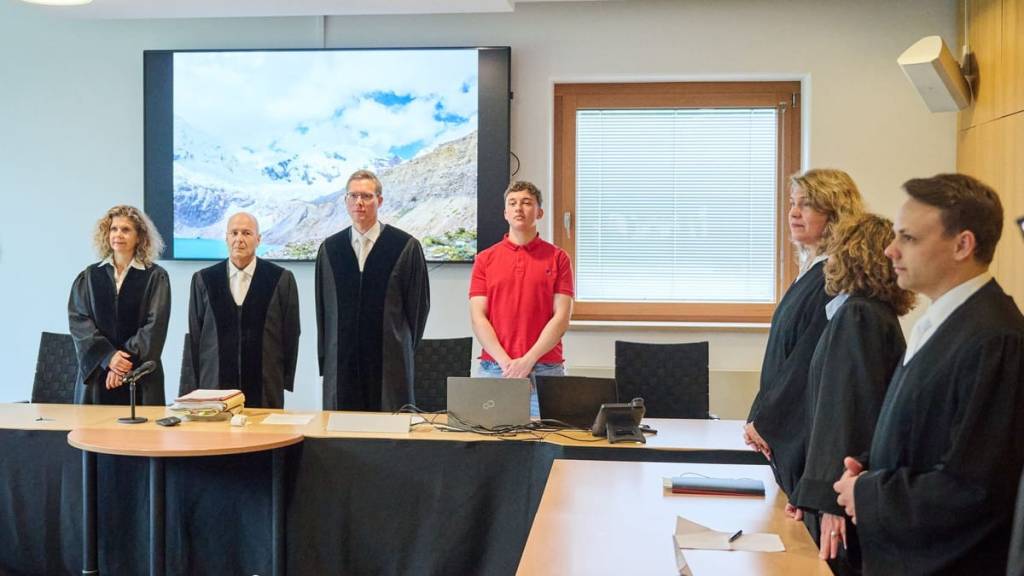
In a landmark case that garnered international attention, a Peruvian farmer’s legal battle against the German energy conglomerate RWE came to a conclusion as the Higher Regional Court in Hamm, Germany, dismissed the civil lawsuit. The suit sought to hold RWE financially responsible for protective measures against a potential flood wave from a glacial lake in Peru, a threat exacerbated by climate change and the melting of glaciers. The farmer, Saul Luciano Lliuya, argued that RWE’s substantial carbon emissions contributed significantly to the glacier melt threatening his town, Huaraz, with flooding. Despite the case’s dismissal, it has ignited a global discussion on the legal accountability of large CO2 emitters for climate-related damages and adaptation costs. The court, basing its decision on expert assessments, ruled that the probability of Luciano Lliuya’s property being affected by the flood wave within the next 30 years was too low to justify a direct threat. Additionally, the court acknowledged the scientific consensus on the dangers posed by CO2 emissions but found no immediate legal grounds for RWE’s liability in this specific instance. Notably, the court’s decision cannot be appealed, effectively closing the door to the Federal Court of Justice in Karlsruhe for this case. Despite the setback, representatives from both the plaintiff’s side and environmental organizations like Greenpeace have underscored the court’s recognition that, under German civil law, companies like RWE could theoretically be held accountable for contributions to climate change. This acknowledgment is seen as a partial victory and a significant step toward establishing a legal framework for future climate litigation. The case suggests that communities proving a specific threat from climate change could potentially seek compensation from fossil fuel companies, marking a pivotal moment in the fight against global warming. This development could pave the way for future litigation worldwide, challenging major polluters’ responsibility for their contributions to climate change and the associated costs for adaptation and protection measures.
 TheLittleTwentieth - Renowned Papers Edition, AI Infused