Local sources from Egypt: سكاي نيوز عربية, معلومات مباشر.
UK coverage: Sky News.
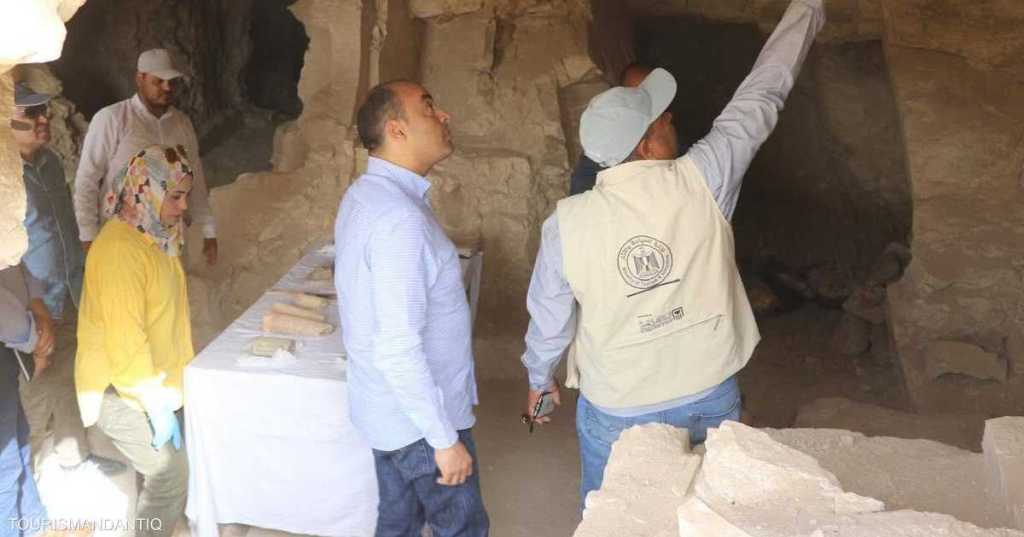
In a significant archaeological breakthrough, Egypt has announced the discovery of three ancient tombs in the Dra Abu el-Naga necropolis on Luxor’s west bank, shedding light on the rich history of the New Kingdom period over 3,500 years ago. The tombs, which belong to prominent figures from this era, are expected to play a crucial role in bolstering Egypt’s cultural tourism sector. This discovery was made by an all-Egyptian archaeological mission, highlighting the country’s dedication and expertise in uncovering its ancestral treasures without foreign intervention.
The tombs were identified as belonging to ‘Amun-Em-Ipt’, a notable official from the Ramesside period; ‘Baki’, a supervisor of a granary; and ‘Es’, an individual who held multiple roles including mayor and supervisor at the Temple of Amun. These findings provide invaluable insights into the lives of those who served the pharaohs and the gods, offering a glimpse into the complex social and religious structures of ancient Egypt. Artifacts and statues found within these tombs further underscore the significance of these discoveries, promising to provide a deeper understanding of ancient Egyptian civilization through further analysis and study.
Tourism and Antiquities Minister Sherif Fathy hailed the discovery as a major scientific and archaeological achievement that not only enhances Egypt’s standing on the global cultural map but also promises to attract more visitors, especially those with a keen interest in cultural tourism. The architectural layout of the tombs, detailed by the Supreme Council of Antiquities, underscores their significance and the ongoing efforts to study and preserve Egypt’s rich archaeological heritage.
This discovery is part of Egypt’s continuous efforts to unveil its vast and varied history, playing a crucial role in boosting the economy through cultural tourism. With the forthcoming months expected to bring more archaeological surprises, particularly from southern Egypt, the world eagerly awaits further revelations that will undoubtedly enrich our understanding of ancient civilizations and enhance Egypt’s role in global culture.
 TheLittleTwentieth - Renowned Papers Edition, AI Infused