Local sources from Japan: nhk.or.jp, TBS NEWS DIG.
UK coverage: The Times.
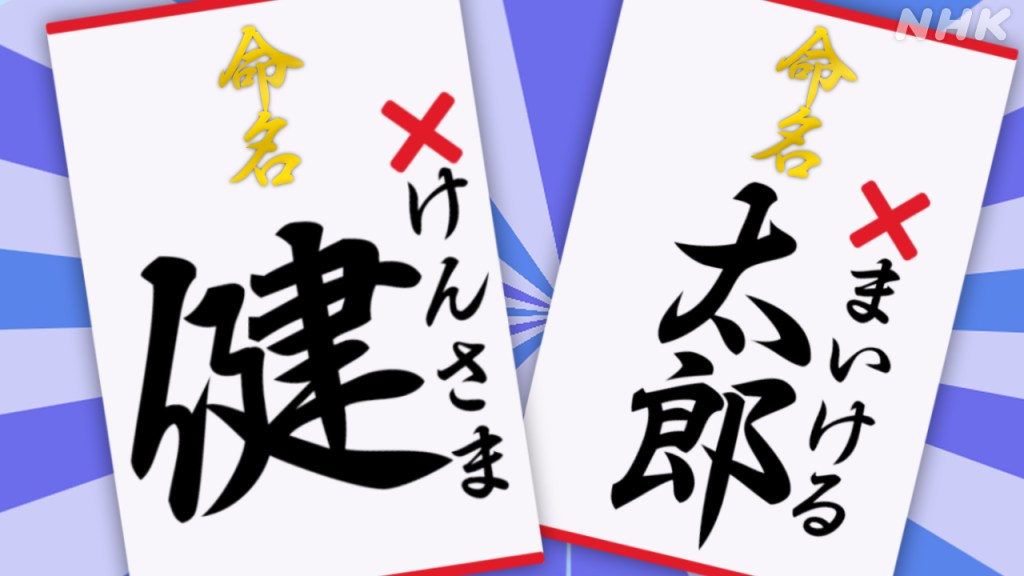
In a move that has sparked considerable debate across the nation, Japan is set to introduce guidelines and legal restrictions on the practice of giving children highly unconventional names, commonly known as ‘Kirakira names’. These developments come in response to a growing trend that has seen children being given names that are difficult to interpret or that deviate significantly from traditional Japanese naming conventions. The issue has gained enough traction to prompt intervention from the Japanese government, aiming to curb the potential for societal confusion and preserve the cultural integrity of kanji characters.
According to a report from NHK, the Ministry of Justice has outlined specific guidelines on the phonetic readings of names in family registries. These guidelines target names with readings that bear no relation to the actual characters, such as unconventional renditions and additions to traditional names, or names that carry meanings opposite to their kanji characters. Furthermore, names deemed discriminatory, vulgar, or anti-social are also prohibited. The Ministry plans to distribute these guidelines nationwide come March, in an effort to ensure widespread awareness ahead of the legal changes.
On a related note, TBS NEWS DIG has reported that with the revised Family Register Law set to be enforced in May 2025, there will be a legal framework in place to restrict ‘Kirakira names’. The law will require that names must be generally recognizable in their reading, and all names on the family register must include phonetic guides (furigana) to aid in their interpretation. While some parents express a desire to preserve the unique names they have carefully chosen for their children, citing personal significance and thoughtfulness, there is a contrasting view among the elderly population, who largely support the restrictions for the sake of clarity and tradition.
These developments represent a significant cultural shift in Japan, reflecting the tension between individual creativity and societal norms. As Japan navigates these changes, the global community watches with interest to see how this balance will be struck in one of the world’s most culturally rich and historically significant countries.
 TheLittleTwentieth - Renowned Papers Edition, AI Infused