Local sources from Turkey: BBC, Euronews.
UK coverage: Euronews.
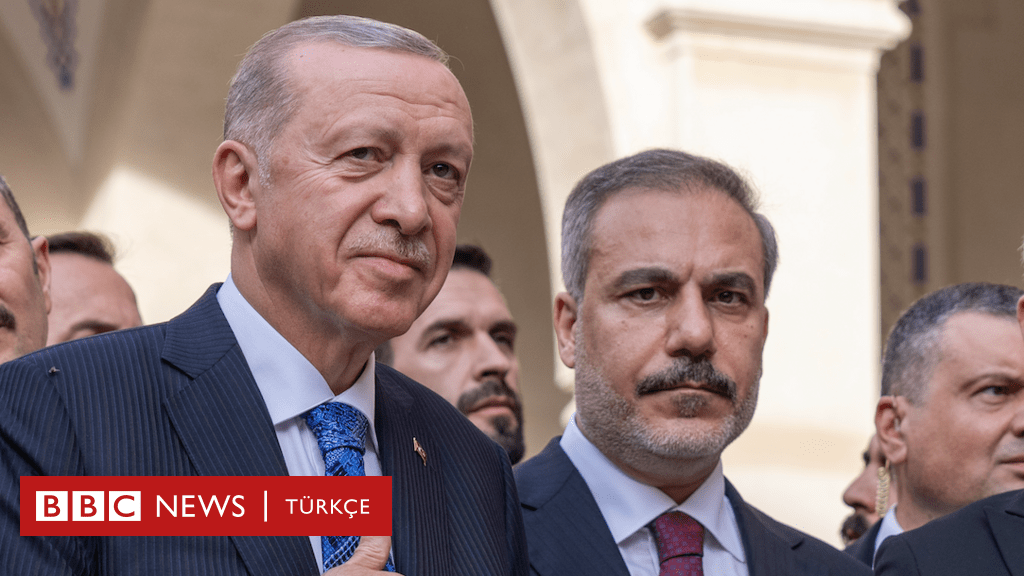
In a significant development signaling Turkey’s deepening involvement in the Syrian crisis, President Recep Tayyip Erdogan has proclaimed Turkey as the most adept nation at navigating the new phase in Syria. This assertion comes in the wake of Foreign Minister Hakan Fidan’s notable visit to Damascus, marking a pivotal moment in Turkish-Syrian relations. Erdogan’s comments underscore a burgeoning rapport between the two nations, with Turkey positioning itself as a guiding force towards achieving victory in the region. The President’s narrative emphasized Turkey’s fraternal bond with Syria, suggesting a shared path to triumph and stability. Amidst the backdrop of increasing diplomatic engagements, Erdogan criticized external aggressions, particularly highlighting Israel’s actions as detrimental to the Syrian revolution’s goals and detrimental to Syria’s territorial sovereignty. This critique aligns with ongoing discussions about Syria’s future and territorial integrity following the adverse impacts of Israel’s territorial occupations after Assad’s displacement. The visit of Fidan to Damascus, a historic first for a Turkish foreign minister, was portrayed as a step towards fostering inclusive governance in Syria, advocating for the lifting of sanctions, and emphasizing the urgent need for Syrian refugee repatriation and the rebuilding of Syrian state institutions. Erdogan and Fidan’s joint stance against the PKK/YPG’s presence in Syria, advocating for a return to state governance and control over arms, reflects Turkey’s broader security concerns and its vision for a post-conflict Syria. Furthermore, Erdogan’s pledge for ongoing humanitarian support highlights Turkey’s commitment to aiding Syria’s recovery, emphasizing the fight against ISIS and PKK/YPG as central to restoring peace and initiating a comprehensive constitutional reform for Syria’s future governance. The discussion also touched upon the status of HTŞ, indicating a potential reevaluation of its designation as a terrorist organization, and outlined a strategic plan for the voluntary return of Syrian refugees, signaling Turkey’s proactive role in shaping a post-conflict Syria. However, details from Euronews could not be incorporated due to the absence of content, leaving a gap in the broader narrative of international perspectives on this development.
 TheLittleTwentieth - Renowned Papers Edition, AI Infused