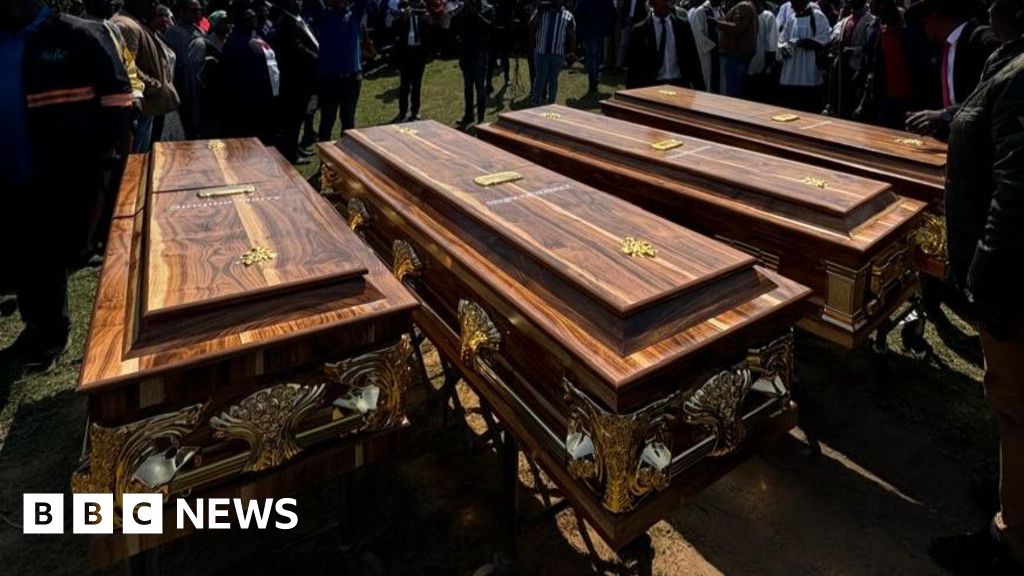
Local sources from South Africa: BBC, Democratic Alliance.
UK coverage: BBC.
In a recent analysis of South Africa’s crime statistics, officials and political entities have come forward to address the multifaceted issue of crime in the nation, debunking the controversial claims of a ‘white genocide’ and calling for significant reforms in policing and community safety measures. South Africa’s Police Minister Senzo Mchunu led the charge against the widely discredited allegations of a ‘white genocide’, which were notably amplified by former US President Donald Trump. These claims suggested that white farmers were being disproportionately targeted in South Africa. However, according to the latest crime statistics, the majority of farm murder victims are black, not white, with only one white farm owner being reported among 12 farm-related murders in a recent quarter. This data challenges the narrative that white farmers are being persecuted and highlights that crime in South Africa is a problem that affects all sections of society indiscriminately. The analysis not only refutes the baseless claims but also respects the complex crime problems facing the nation. Furthermore, the strained relationship between South Africa and the US was emphasized by Trump’s offer of asylum to Afrikaners and a reduction in aid to the country, amidst South African President Cyril Ramaphosa’s efforts to address land reform and enhance bilateral relations. On another front, the Democratic Alliance (DA) has weighed in on the crime situation with the release of the Q4 crime statistics for the 2024/25 financial year. While some improvement was noted, the DA stressed that much more needs to be done to ensure the safety of communities across South Africa. Highlighting systemic issues within the policing system, the DA advocates for the devolution of policing powers, enhanced crime intelligence, and bolstered local enforcement partnerships to mitigate the high rates of murder, assault, rape, and other violent crimes. The DA’s call for institutional reform, alongside the expansion of crime statistics, establishment of forensic labs, and initiation of a 90-day Gender-Based Violence blitz, underscores a critical need for a comprehensive safety plan. This juxtaposition of debunking ‘white genocide’ claims and advocating for policing reforms paints a picture of a nation grappling with complex crime issues and the quest for effective solutions. As South Africa continues to navigate these challenges, the focus remains on fostering a safe and just society for all its citizens, irrespective of race.
 TheLittleTwentieth - Renowned Papers Edition, AI Infused