Local sources from Australia: Al Jazeera, The Guardian.
UK coverage: Al Jazeera.
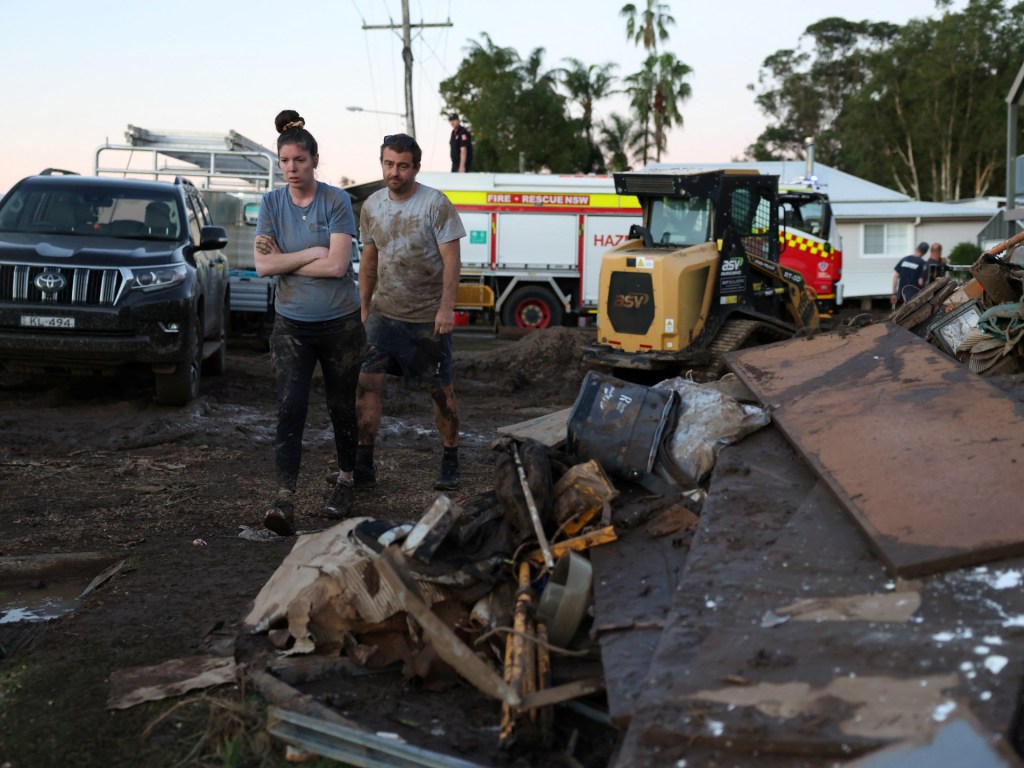
In the wake of record-breaking floods that have battered eastern Australia, cleanup operations are now underway in a massive effort to restore normalcy to the region. The recent floods, which have seen a slight reprieve since Friday, have claimed the lives of five individuals and left tens of thousands stranded, marking one of the nation’s most severe weather-related disasters in recent history. As reported by Al Jazeera and The Guardian, the floods have inflicted substantial damage across New South Wales, Australia’s most populous state, with at least 10,000 properties adversely affected and a significant toll on both human lives and wildlife. Prime Minister Anthony Albanese has pledged ongoing support for the recovery efforts, emphasizing the government’s commitment to aiding those impacted by the floods. Despite the improving weather conditions, hundreds of people remain in evacuation centres, with rescue operations continuing to assist those in perilous situations. The recent discovery of an elderly man’s body has increased the death toll and underscored the floods’ devastating impact. The deluge has not only caused widespread property damage but also disrupted essential services, isolating communities, and halting train services and airport operations. Michele Bennett, a resident of Taree, shared her harrowing experience with The Guardian, detailing the extensive damage to her home and belongings, while highlighting the broader destruction throughout the region. The floods have also reignited tensions between the State Emergency Service (SES) and the Fire Brigade Employees Union over emergency response leadership, reflecting the complex challenges faced by agencies on the ground. This series of extreme weather events, which follows a pattern of frequent flooding since early 2021, is attributed to climate change. It comes after Australia has already endured periods of droughts and bushfires, pointing to an increasingly volatile climate. As the community begins the arduous process of recovery, the events in New South Wales serve as a stark reminder of the urgent need for climate action and the necessity of preparing for more frequent and severe weather phenomena in the future.
 TheLittleTwentieth - Renowned Papers Edition, AI Infused