Local sources from Romania: HotNews.ro, Libertatea.
UK coverage: politico.eu.
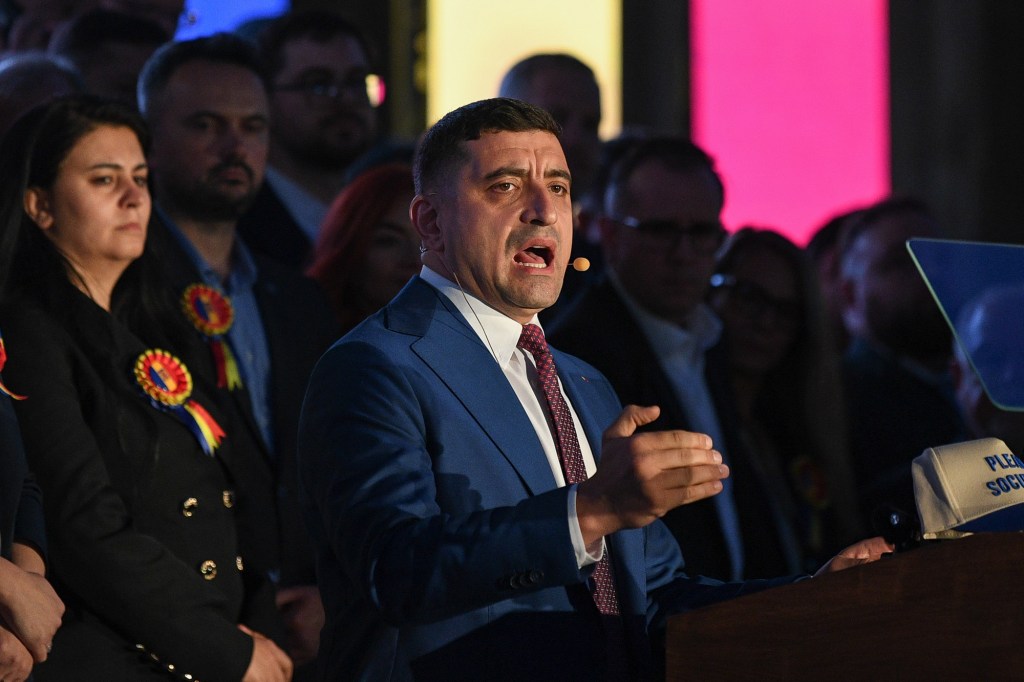
In a surprising twist following Romania’s 2025 presidential elections, George Simion, the ultranationalist runner-up, has sparked controversy by announcing his intention to challenge the election results, citing extensive allegations of foreign interference and electoral fraud. Simion, the leader of the AUR party, lost to Nicușor Dan, who secured the presidency with 53.6% of the votes, according to official results. However, Simion’s refusal to concede has led to a political uproar, with claims that could challenge the very integrity of Romania’s electoral process. HotNews.ro reported that Simion accused France and Moldova of meddling in the elections, alleging that the former influenced the media narrative and the latter was involved in vote-buying practices, including a claim of €100 million being allocated for ‘electoral tourism’ in Moldova. Furthermore, Simion suggested that deceased individuals had somehow participated in the voting process on May 18th and questioned the legitimacy of over 11.5 million Romanians casting their votes. Libertatea noted Simion’s announcement on social media platforms, where he expressed his determination to fight what he perceives as injustices against the Romanian electorate. Despite acknowledging his defeat, Simion has called his supporters to action, urging them to file complaints and signaling a prolonged battle ahead. The ultranationalist leader also plans to request the testimony of Pavel Durov, the founder of Telegram, to address allegations of digital manipulation and suppression of conservative voices by the French government. This move to involve international figures in Romania’s electoral dispute underscores the complexity and unprecedented nature of the allegations. Simion’s critique extends beyond the election outcome, branding the incoming administration as ‘puppet governance’ and vowing to abstain from any participation or recognition of its legitimacy. As Romania braces for the legal and political ramifications of these challenges, the international community watches closely. The allegations, if proven, could have far-reaching implications for Romania’s democracy and its relations with France and Moldova. For now, the nation stands at a political crossroads, with the Constitutional Court of Romania (CCR) at the helm, poised to make a decision that could either validate the election results or plunge the country into further political uncertainty.
 TheLittleTwentieth - Renowned Papers Edition, AI Infused