Local sources from Ukraine: Главком, BBC.
UK coverage: BBC.
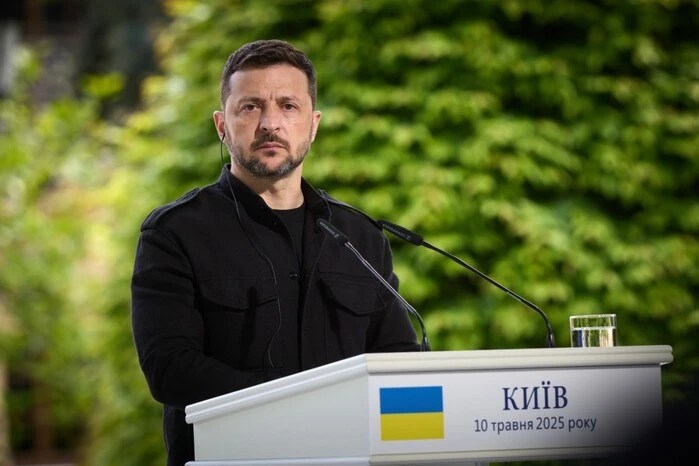
In a series of events that continue to mark the deepening crisis between Ukraine and Russia, both nations have proposed competing ceasefires, reflecting the complex dynamics of peace negotiations amidst ongoing hostilities. Ukrainian President Volodymyr Zelensky has accused Russia of employing delay tactics in peace talks, a sentiment echoed by the ongoing military actions on the ground. According to a recent announcement, Zelensky has called for a ceasefire beginning May 12, demanding a full and unconditional cessation of hostilities for at least 30 days. This comes in stark contrast to the ceasefire announced by Russian President Vladimir Putin, ostensibly to honor Victory Day from May 8 to 10, which was criticized by Zelensky for its lack of sincerity and continued aggression. Despite Putin’s declaration, reports from Главком and the BBC have highlighted ongoing Russian military operations, including drone attacks and guided bombs in various regions of Ukraine, underscoring the fragility of the proposed truces. In response to the conflict, the European Union and the UK have ramped up pressure on Moscow by introducing new sanctions targeting Russia’s oil tankers and various sectors, with Zelensky seeking further support from Western allies. During a high-profile meeting in Kyiv with leaders from France, Poland, the UK, Germany, and the European Commission, Zelensky emphasized the need for strict sanctions against Russia should it violate the new ceasefire agreement. This meeting, the first of its kind during the full-scale war, signals a united front among Ukraine’s Western allies against Russian aggression. Former U.S. President Trump, however, has expressed opposition to new sanctions, hinting at the potential for disrupting progress. As the situation unfolds, the international community watches closely, hoping for a resolution that brings an end to the violence and a sustainable path towards peace.
 TheLittleTwentieth - Renowned Papers Edition, AI Infused