Local sources from Japan: 朝日新聞, 日本経済新聞.
UK coverage: The Guardian.
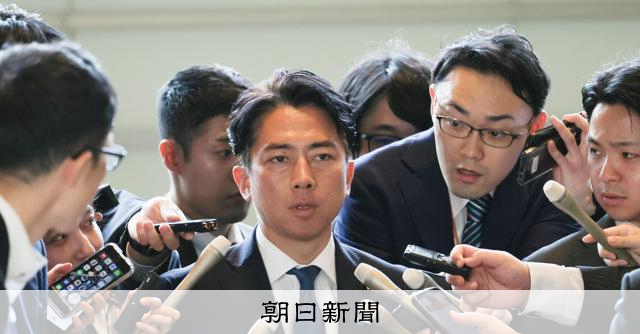
In a significant political development that has sent ripples through Japan’s political landscape, Taku Etō, the Minister of Agriculture, Forestry and Fisheries, has resigned following public outrage over comments he made about never having bought rice due to receiving it as gifts. This controversy comes at a time when Japan is grappling with soaring rice prices and a broader cost of living crisis, putting additional pressure on Prime Minister Shigeru Ishiba’s administration ahead of impending elections. Etō’s remarks, which came across as insensitive amid the financial strain faced by many Japanese households, have sparked widespread criticism and led to his resignation. In his stead, Shinjirō Koizumi, a former Environment Minister known for his charismatic public presence, has been appointed as the new agriculture minister. Koizumi’s appointment is seen as a strategic move to mitigate the fallout from the rice price surge and to restore public trust in the government’s ability to manage the crisis. The issue of rising rice prices, exacerbated by poor harvests and panic-buying, has significantly undermined the popularity of Ishiba’s government, with a majority of citizens expressing dissatisfaction with its handling of the situation. The government has responded to the crisis by importing rice from South Korea for the first time in 25 years, a move that highlights the severity of the rice shortage. Koizumi has pledged to address the rice price issue with urgency, emphasizing the need for stable and supportive agricultural policies that benefit both consumers and farmers. This political shake-up marks the first ministerial resignation in the Ishiba administration since its commencement in October 2024, underscoring the challenges faced by the government in maintaining political stability and addressing economic issues. The resignation of Etō and the appointment of Koizumi as his successor mark a critical juncture for the Ishiba administration, as it strives to navigate the complexities of the current economic and political climate ahead of the upcoming elections.
 TheLittleTwentieth - Renowned Papers Edition, AI Infused