Local sources from Poland: wroclaw.pl, Wszystko co najważniejsze.
UK coverage: BBC.
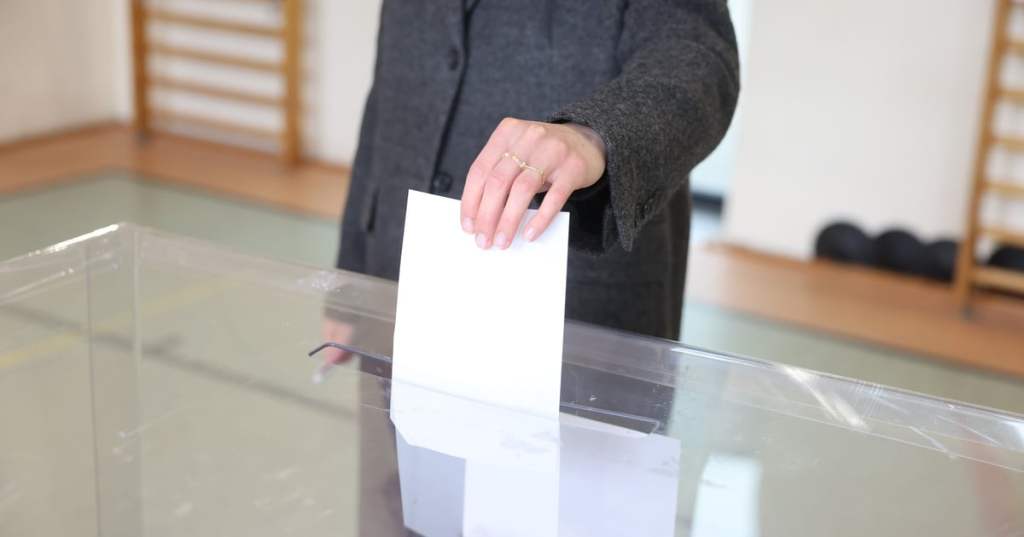
As the Polish presidential election draws near, the political atmosphere is intensifying with the PiS-backed candidate and the liberal mayor of Warsaw, Rafał Trzaskowski, emerging as prominent figures amidst a whirlwind of policy debates, accusations, and the quest for leadership that unites. Amidst this backdrop, a significant development is the introduction of the digital ID (mDowód) for voter identification, a move reflecting Poland’s stride towards digitalization in governance. This initiative, as reported by Wrocław’s news portal wroclaw.pl, marks a significant shift in how Polish citizens will exercise their democratic right, aiming to streamline and secure the voting process in the 2025 elections. For the first time, voters will have the option to identify themselves using a digital ID through the mObywatel app, scanning a QR code in line with guidelines from the Ministry of Digital Affairs and the National Electoral Office. This innovation underscores a broader theme of modernization within the country’s electoral process, amidst a highly charged political contest. The Polish political landscape is currently marked by voter fatigue towards the dominant ruling party, PiS, and the main opposition, PO, with new dynamics introduced by candidates like the far-right libertarian Slawomir Mentzen, whose recent controversial remarks have sparked further debate. Despite the controversies, including those surrounding Nawrocki over a contentious property deal, polls indicate a tight race likely leading to a run-off, given no candidate is expected to secure a majority. Beyond the immediate political skirmishes, the Polish electorate expresses a deeper desire for a leader capable of bridging divisions and fostering constructive dialogue. Insights from ‘Wszystko co najważniejsze’ delve into what Polish voters seek in their president: strong presentation of views, a coherent electoral program, and engagement without resorting to unnecessary attacks. Research across multiple institutes reveals preferences for a president who is intelligent, multilingual, and showcases a blend of independence and family values, underscoring a populace yearning for leadership that resonates on both personal and national levels. Yet, as political scientists point out, many of these expectations surpass the formal powers of the presidency, highlighting a collective aspiration for a president who can inspire and motivate beyond constitutional limitations. The introduction of the digital ID (mDowód) for voting and the nuanced expectations of the Polish electorate underscore a pivotal moment in Poland’s democratic journey. As the country stands at the crossroads of tradition and innovation, the 2025 presidential elections not only symbolize a test of political will but also a reflection of Poland’s evolving identity in the digital age.
 TheLittleTwentieth - Renowned Papers Edition, AI Infused