Local sources from Romania: Digi24, Mediafax.
UK coverage: The Times of Israel.
In an unprecedented ‘Super Sunday’ for European politics, three critical elections are unfolding across the continent, each with potentially far-reaching consequences for regional stability, European unity, and international relations. Among these, Romania’s presidential election is drawing particular attention as voters decide between a far-right, EU-critical candidate and a centrist contender in a run-off that could tilt the country’s future direction and influence the broader European political landscape.
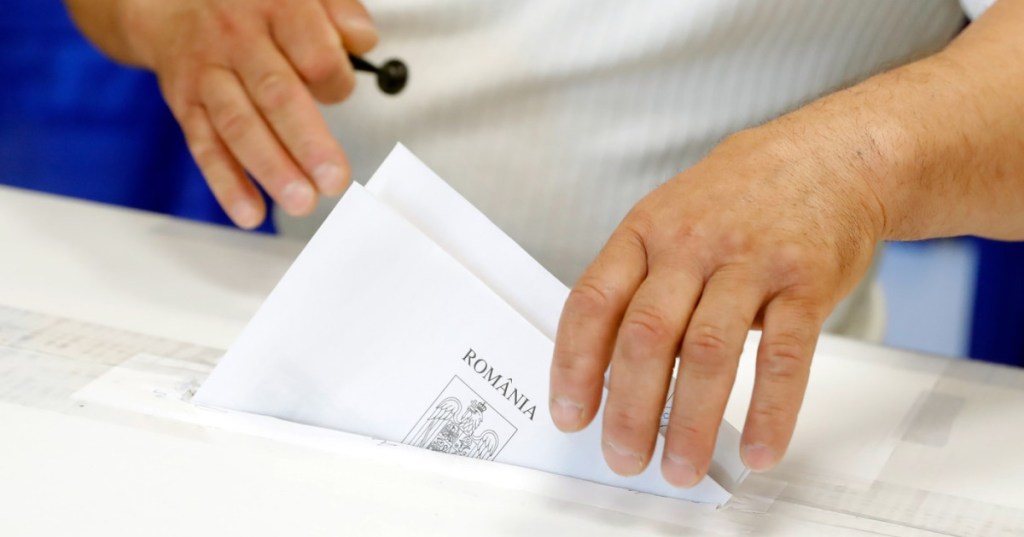
Romania is on the brink of a pivotal moment as nearly 18 million eligible voters are called to the polls on Sunday, May 18, 2025, to choose their next president in what is being described as a decisive second round of the presidential elections. The competition is between George Simion, the leader of the AUR party known for his critical stance on the European Union, and Nicuşor Dan, the Mayor of Bucharest, representing the centrist political spectrum. The outcome of this election is deemed crucial, with potential impacts on Europe’s unity, support for Ukraine amidst ongoing conflicts, and Romania’s internal political stability.
As of the morning of the election day, over a million Romanians have already cast their vote, highlighting the significance attributed to this electoral contest by the public. Key figures, including the interim President Ilie Bolojan and Prime Minister Catalin Predoiu, have emphasized the importance of voter participation in shaping the country’s trajectory.
Recent polls suggest a tight race between Simion and Dan, with fluctuating leads indicating a highly competitive electoral contest. The first round of voting, held on May 4, saw George Simion securing 40.96% of the vote, while Nicuşor Dan received 20.99%, setting the stage for a closely watched run-off. International observers are closely monitoring the election, as a victory for Simion could align Romania with other EU-critical governments, potentially impacting the country’s economic and diplomatic relations within the bloc.
In Poland and Portugal, elections are also taking place, with outcomes expected to influence government reform agendas and the ability to form stable governments, respectively. However, it is Romania’s election that is particularly significant in the context of European politics, offering a litmus test for the strength of far-right movements and the resilience of centrist and pro-EU positions within member states.
As polling stations close and the votes are counted, the results from Romania’s presidential run-off will be keenly awaited by both national and international observers, underscoring the high stakes of this electoral decision not just for Romania, but for the European Union at large.
 TheLittleTwentieth - Renowned Papers Edition, AI Infused