Local sources from Romania: Digi24, Mediafax.
UK coverage: The Guardian.
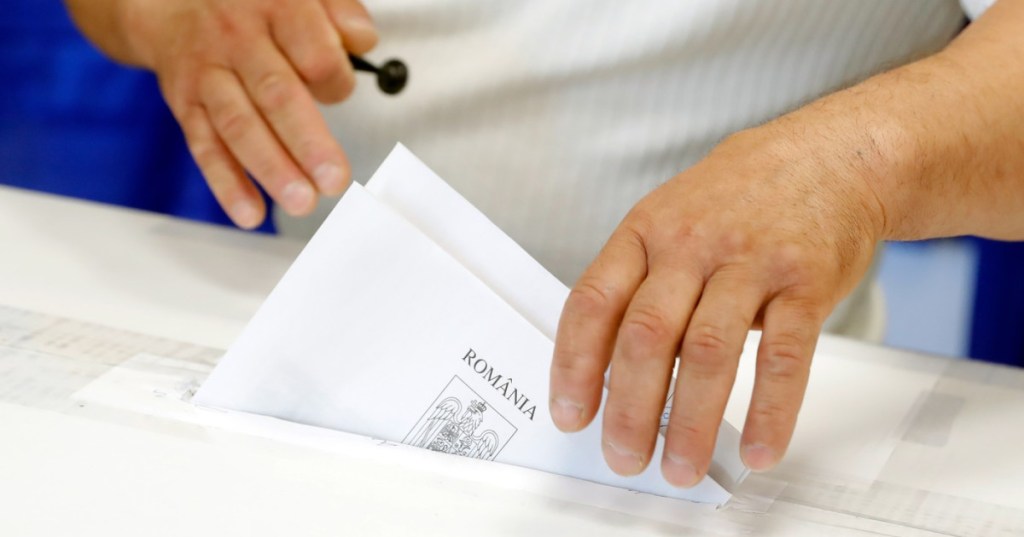
In a remarkable display of democracy, voters across Romania, Poland, and Portugal are heading to the polls on what has been dubbed ‘Super Sunday’, with each country facing pivotal presidential and general elections that could reshape their futures and impact the broader European landscape. Among these, the Romanian presidential run-off is capturing significant attention, as it pits far-right, EU-critical candidate George Simion against the centrist Nicuşor Dan in a contest that could steer the country in a fundamentally new direction. In Poland, the presidential race sees centrist Rafał Trzaskowski vying for leadership, with the election’s outcome seen as crucial for the government’s reform agenda. Meanwhile, Portugal is conducting its third snap general election in as many years, challenging the centre-right’s bid to form a government. The outcomes of these elections are keenly awaited, not just by the nations involved but by all of Europe, given their potential implications for unity, support for Ukraine, and political stability within the EU. Romania, in particular, stands at a crossroads, with a victory for Simion possibly aligning it with other EU-critical states, thus affecting its economic and diplomatic relations significantly. According to reports from Digi24 and Mediafax, Romanians are actively participating in this decisive electoral process, with nearly 18 million eligible voters. As of the morning, over a million citizens have already cast their ballots, demonstrating the election’s significance and the high stakes involved. In the first round of elections, George Simion led with 40.96% of the votes, closely followed by Nicuşor Dan who secured 20.99%. The latest polls suggest a tight race, underscoring the unpredictability and critical nature of this election. With polling stations open from 07:00 to possibly 23:59 for late voters, and the diaspora voting across three days, Romania’s future hangs in the balance as it chooses between two divergent paths. The results from Romania, Poland, and Portugal will undeniably have profound implications, not just domestically but across the European continent, at a time when unity and strategic direction are more crucial than ever.
 TheLittleTwentieth - Renowned Papers Edition, AI Infused