Local sources from Israel: מעריב, הארץ.
UK coverage: BBC.
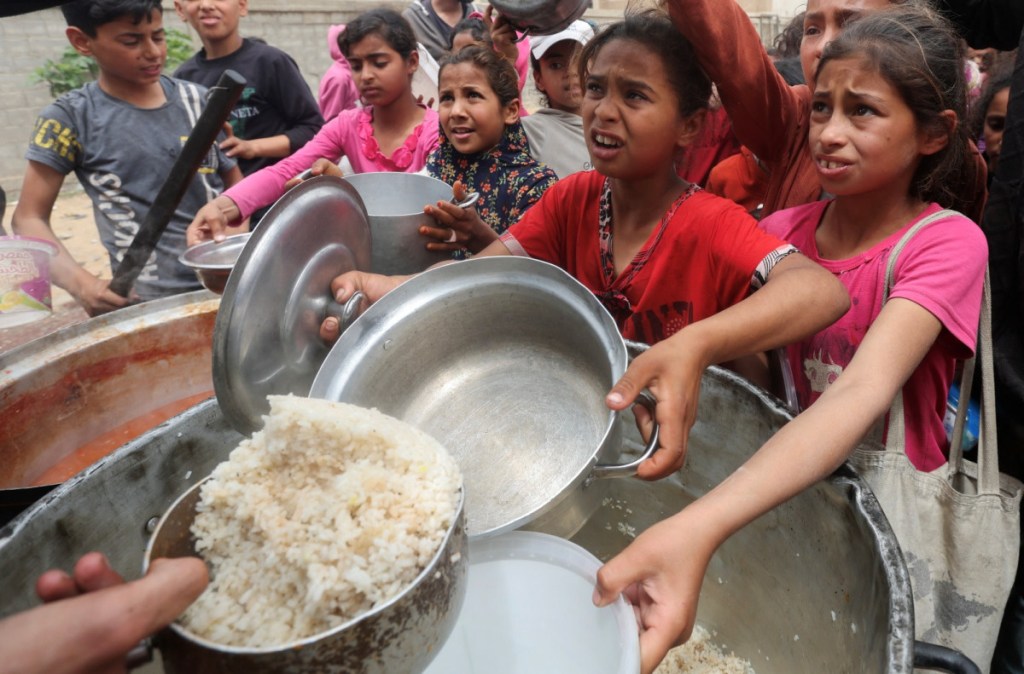
In a stark depiction of the contrasting realities faced by the inhabitants of Gaza, recent reports and articles from international and Israeli sources have brought to light the severe humanitarian crisis gripping the region. The BBC’s latest coverage reveals the dire impact of Israel’s 10-week blockade on Gaza, highlighting a scenario where all forms of food, medicine, and humanitarian aid have been prevented from entering the area amidst deadly air strikes. Personal accounts from families struggling to feed their children paint a grim picture of malnutrition and the trauma inflicted by the ongoing bombing. Despite the Israeli government’s denial of a food shortage and accusations against Hamas for misusing aid, the threat of famine looms large, with international aid organizations and UN bodies raising alarms over the critical risk to the population’s well-being. The blockade has already claimed at least 114 lives, underscoring the severity of the situation. On the other hand, contrasting portrayals have emerged from within Israel, complicating the narrative. An article from מעריב presents a vivid account of life in Gaza through the lens of social media and official narratives, showcasing a video of families enjoying themselves at the beach in Deir al-Balah, a portrayal that challenges the grim pictures painted by Hamas’s propaganda. Yet, the same article acknowledges the existence of footage showing hungry children fighting for food, illustrating the complex and multifaceted reality on the ground. The difficulty of discerning the truth amidst a flood of information is a central theme, highlighting the role of the Israeli Defense Forces in protecting the country’s borders while facing accusations of manipulating international perceptions through narratives aided by Qatar, leading to anti-Israel protests and legal actions. The necessity of establishing agreed-upon mechanisms for pursuing truth and improving collective understanding is emphasized, against the backdrop of societal divisions deepened by the preference for internal narratives over investigating national crises. Further complicating the picture, an article from הארץ sheds light on the desperate situation of Gaza’s children and farmers, with vivid descriptions of banana groves and the agricultural challenges faced by the community. The juxtaposition of thriving agriculture with the stark reality of hunger and plea from the farmers offers another layer to the understanding of Gaza’s crisis. These contrasting reports and articles contribute to a broader narrative of a region caught between the throes of a humanitarian disaster and the complexities of political narratives and realities. As the international community grapples with these contrasting images and accounts, the need for a coherent, compassionate, and effective response to the crisis in Gaza becomes ever more urgent.
 TheLittleTwentieth - Renowned Papers Edition, AI Infused