Local sources from United States: BBC, The Guardian.
UK coverage: The Guardian.
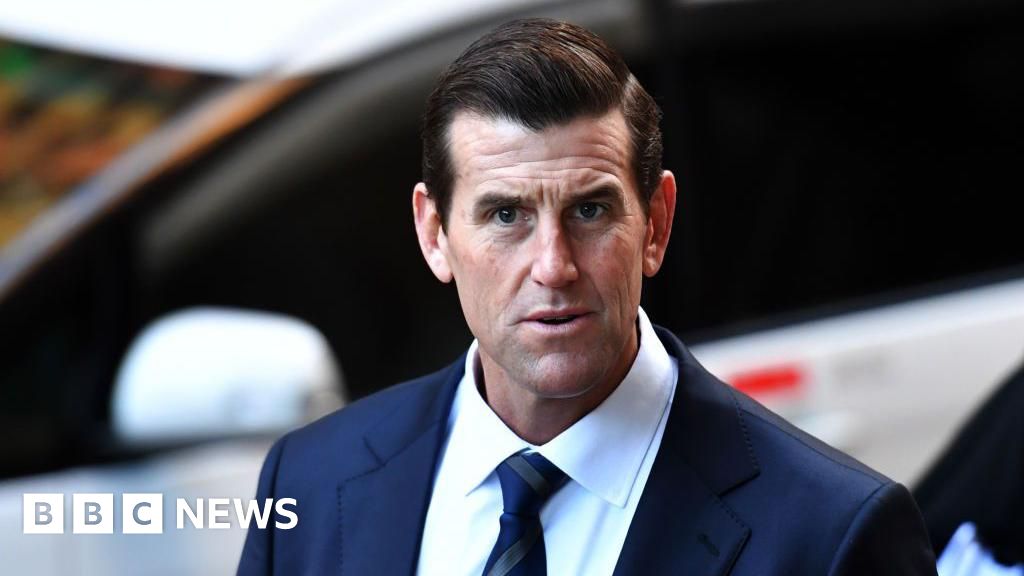
In a week marked by significant legal and activist news, Ben Cohen, the co-founder of Ben & Jerry’s ice cream, was arrested for protesting against the Gaza blockade during a US Senate hearing, highlighting a global outcry against the ongoing humanitarian crisis in Gaza. Cohen, known for his philanthropy and activism, was charged with ‘crowding and obstructing’ as he disrupted a session where Health Secretary Robert F Kennedy Jr was speaking. Through a video posted on social media, Cohen shared his removal and subsequent arrest, drawing attention to his protest against Congress’ funding of bombs affecting Gaza’s children, paralleling domestic policies that harm American children. Gaza is currently facing a severe blockade by Israel, now in its 11th week, leading to critical food shortages and potential famine risks for its 2.3 million inhabitants. Cohen, alongside Jerry Greenfield, has been vocal in various social and political causes, previously expressing criticism of Israeli policies while supporting the state of Israel. His arrest, alongside seven other activists, could result in jail time or fines, underscoring the risks activists undertake in advocating for global human rights issues. In other news, reflecting the global landscape of accountability and justice, Ben Roberts-Smith, Australia’s most-decorated living soldier, lost an appeal against a defamation judgment which found him guilty of committing war crimes. The Federal Court upheld the original judgment that news articles alleging Roberts-Smith murdered four unarmed Afghans were true, marking a significant moment in assessing war crimes claims against Australian forces. Despite the loss, Roberts-Smith announced intentions to appeal to the High Court of Australia, maintaining his innocence against allegations of misconduct during his 2009 to 2012 deployment in Afghanistan. This trial, referred to as Australia’s ‘trial of the century,’ lasted over 120 days and is believed to have cost up to A$35 million ($22.5 million; £16.9 million). As the world watches these developments unfold, they underscore the ongoing challenges and complexities in addressing issues of human rights, war crimes, and activism on the international stage.
 TheLittleTwentieth - Renowned Papers Edition, AI Infused