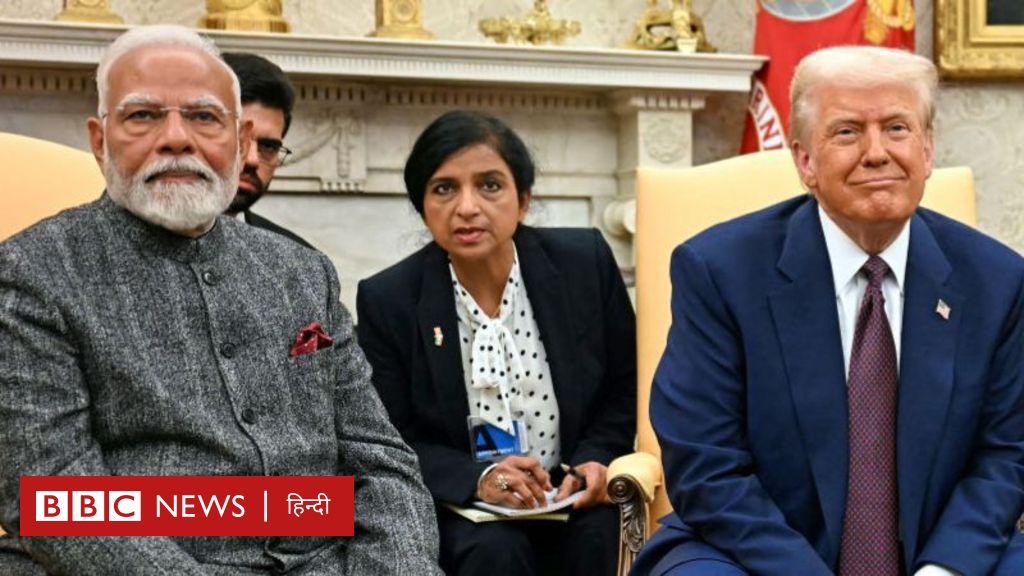
Local sources from India: bbc.com, aajtak.in.
UK coverage: Financial Times.
In a significant development that has drawn international attention, India and Pakistan, two neighboring countries with a long history of conflict, have once again found themselves at the brink of war only to pull back following a ceasefire agreement on May 10, 2025. The ceasefire, announced amidst a tense military standoff that escalated after an attack in Pahalgam, Jammu and Kashmir, has led to mixed reactions from both nations, highlighting the deep-seated complexities and divergent perspectives in the region. According to a detailed report by the BBC, the ceasefire agreement was influenced by the involvement of US President Donald Trump, who played a pivotal role in announcing the cessation of hostilities. The report sheds light on India’s firm stance against nuclear blackmail and underscores the importance of developing a long-term strategic approach towards Pakistan. It also touches upon the internal security situation in Kashmir, challenging the claims of normalcy in the region and pointing out the enduring threat posed by the fraught relations with Pakistan. The article further explores the broader implications of such conflicts and the political dynamics involving the United States, providing a comprehensive overview of the situation. On the other hand, a contrasting perspective is offered by aajtak.in, which delves into the reactions within Pakistan and India following the ceasefire agreement. In Pakistan, there’s a palpable sense of victory, with celebrations, victory processions, and fireworks marking the country’s response to the ceasefire, which is viewed as a significant achievement given the country’s economic and military challenges. Conversely, in India, the atmosphere is one of introspection and questioning, with many citizens and political analysts scrutinizing the government’s decision to show leniency towards Pakistan. The article from aajtak.in highlights the differing perspectives on war between the two nations, rooted in their historical experiences, military capabilities, economic strengths, strategic objectives, and socio-political factors. It points out the contrasting political cultures of Pakistan and India, emphasizing the lack of democracy in Pakistan in contrast to India’s democratic principles where questioning the government’s decisions is an integral part of the political culture. These divergent responses to the ceasefire underscore the complex dynamics at play between India and Pakistan and the challenges that lie ahead in achieving lasting peace in the region. As the situation continues to evolve, the international community remains watchful, hoping that this latest ceasefire agreement marks a step towards a more stable and peaceful South Asia.
 TheLittleTwentieth - Renowned Papers Edition, AI Infused