Local sources from Greece: tempo24.news, Εφημερίδα Ημέρα, Ζάκυνθος..
UK coverage: Metro.co.uk.
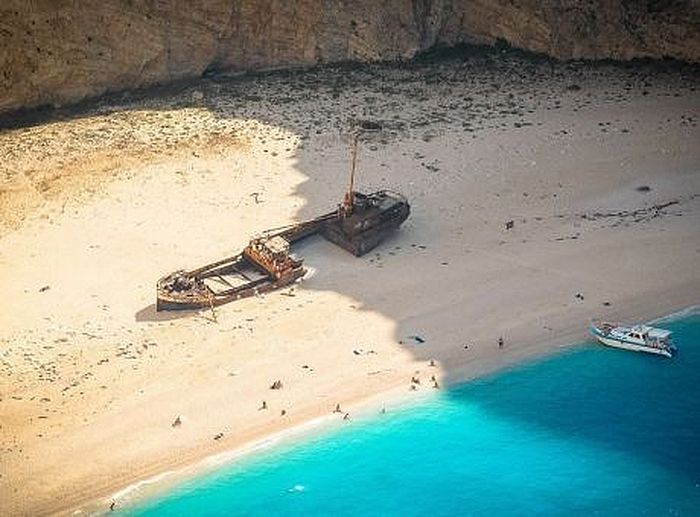
The picturesque Greek island of Zakynthos, also known affectionately as Zante, has recently been spotlighted for reaching the peak of its tourist capacity, surpassing all European destinations in terms of visitor to resident ratio. With a staggering statistic of 150 overnight stays per local resident, the island faces the pressing challenges of overtourism. This phenomenon has not only led to environmental degradation but has also fostered dissatisfaction among tourists, who lament the scarcity of beach space, the pervasive noise, and the excessive commercialization that detracts from the island’s natural charm. These issues were illuminated in a recent study by Which?, employing the European Commission’s criteria for overtourism to emphasize the severity of the scenario in popular tourist spots across Europe. Conversely, the study also highlighted alternative destinations such as Logrono, Skopelos, and Estepona, which, in contrast, promise unique experiences free from the burdens of overcrowding. These locations are celebrated for their untouched landscapes, cultural authenticity, and rich historical tapestry, offering a more sustainable and enjoyable tourism experience. In an effort to combat the ramifications of overcrowding, local authorities in Zakynthos are taking decisive steps to ensure the safety and satisfaction of visitors. A report from tempo24.news details the implementation of new safety measures at the famed Navagio Beach, a tourist haven renowned for its shipwreck and azure waters. Following incidents in recent years, local police have instigated restrictions on beach access and anchoring, delineating zones within the beach area as either safe or unsafe. Police Chief Panagiotis Petsinis underscored the urgency of these measures to prevent further accidents, while Mayor Pavlos Kolokotsas assured that the ongoing works on the beach and surrounding infrastructure would be completed by April’s end, in anticipation of the tourist influx. Meanwhile, Εφημερίδα Ημέρα, Ζάκυνθος, sheds light on another facet of the island’s tourism dilemma: While this year witnessed an upsurge in tourist arrivals, there was a noticeable decline in spending. Industry experts attribute this trend to the resurgence of mass tourism, with visitors demonstrating diminished purchasing power. Despite satisfactory arrival numbers and the successful execution of tourism programs, the decrease in expenditure has raised concerns about the island’s economic sustainability and its infrastructure’s ability to accommodate burgeoning visitor numbers. There’s a growing consensus that, without addressing these fundamental issues, the pursuit of tourism expansion could jeopardize the island’s environment, cultural heritage, and overall visitor experience. As Zakynthos stands at the crossroads of preserving its natural beauty while accommodating a global audience, the path forward involves a delicate balance between development and sustainability. The island’s future as a beloved tourism destination hinges on its ability to navigate these challenges, ensuring that the wonders of Zakynthos can be enjoyed for generations to come.
 TheLittleTwentieth - Renowned Papers Edition, AI Infused