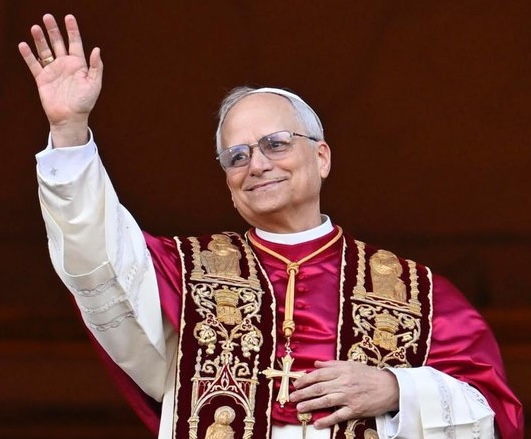
Local sources from Vatican: Economyup, ModenaToday.
UK coverage: The Telegraph.
In a world increasingly driven by technological advancement, the ethical implications of artificial intelligence (AI) have become a focal point of international dialogue. Pope Leo XIV, in his inaugural address, has positioned AI as the ‘primary challenge facing humanity today,’ echoing a sentiment that resonates across different sectors of society. The first American pontiff, taking helm of the Catholic Church, pledged to continue the missions of his predecessor, Pope Francis, with a particular emphasis on making the Church more inclusive and advancing reforms to address the challenges posed by the new industrial revolution and AI technologies. Pope Leo XIV emphasized the importance of human dignity, justice, and labor in the face of these advancements, highlighting the role of the Church in offering guidance and protection against the transformation of human relations into mere algorithms. His approach to the digital age is deeply influenced by his background in mathematics and his missionary work in socially marginalized contexts, positioning him as a unique voice in the global ethical debate on technology and AI. The Pope’s perspective draws a parallel to historical responses to industrial revolutions, invoking the spirit of Pope Leo XIII’s Encyclical Rerum novarum, which addressed the social issues of the first industrial revolution. The election of Pope Leo XIV comes at a critical time when issues such as generative artificial intelligence, personal data control, and automated disinformation are posing fundamental questions about truth, freedom, and democracy. In Italy, the Cisl Emilia Centrale’s recent congress, led by Rosamaria Papaleo, further underscores the urgency of addressing AI’s impact on society. Papaleo’s re-election and the congress’s focus on artificial intelligence, advocating for an ‘ethical, human algorithm,’ aligns with the broader call for a responsible digital economy that values human labor and includes the vulnerable. Both the Church’s leadership under Pope Leo XIV and the initiatives of organizations like Cisl Emilia Centrale reflect a growing awareness of and commitment to navigating the complexities of AI with an ethic of responsibility, justice, and inclusivity. As the world grapples with these challenges, the voices of global and local leaders are critical in shaping a future where technology serves humanity without compromising the values of truth, freedom, and democracy.
 TheLittleTwentieth - Renowned Papers Edition, AI Infused