Local sources from Romania: Știrile ProTV, Aktual24.
UK coverage: UnHerd.
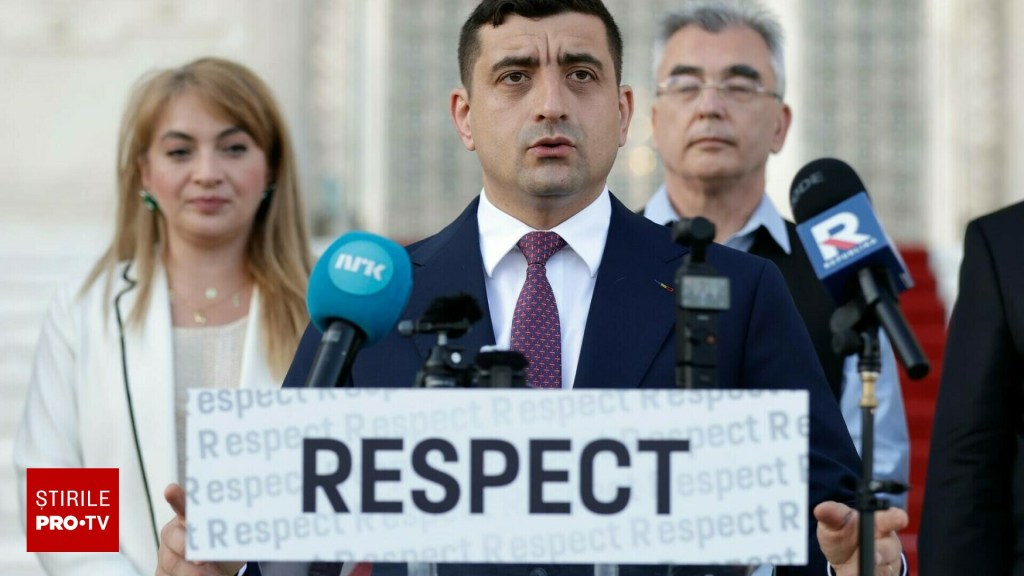
In a striking portrayal of political evolution, Romania’s George Simion and his AUR party have marked a significant shift towards populism, reflecting a broader European trend towards the right, amid widespread disillusionment with established political norms. Simion’s unexpected rise, particularly underscored by his significant support from the Romanian diaspora, evidences a growing appetite for change in a country seeking to break free from the shackles of its post-communist stagnation and perceived corruption within the EU framework. Despite concerns regarding his potential to form a stable government, Simion’s staunch pro-NATO and pro-US stance, coupled with a right-wing, MAGA-inspired platform, has resonated with many, encapsulating the sentiment of making ‘Romania great again.’ This movement is not isolated, mirroring a wider European disillusionment with traditional political structures and liberal ideologies, as nationalist and conservative sentiments gain traction.
According to an article from Știrile ProTV, George Simion’s capture of the diaspora’s support was significantly fueled by an ultranationalist message, anti-establishment discourse, and a vigorous TikTok campaign. Earning about 40% of the votes, with over 60% from the diaspora, particularly in countries like Italy, Spain, and Germany, Simion’s strategy tapped into the frustrations of Romanians abroad working in low-income jobs. His promotion of the MAGA agenda, alongside policies aimed at the unification of Romania and Moldova, opposition to military support for Ukraine, and a willingness to defy EU laws he deems unjust, though viewed by some as unrealistic, have marked a notable departure from traditional politics. The forthcoming runoff between Simion and centrist Nicușor Dan emphasizes a pivotal choice between ultranationalist and pro-Western pathways.
Aktual24 sheds light on Simion’s dual rhetoric, presenting a far-right, anti-Ukraine persona within Romania, while adopting a more moderate image in Europe, aligning himself with the MAGA movement and Italian Prime Minister Giorgia Meloni. Despite his domestic anti-Ukraine stance and the use of Russian-inspired propaganda, Simion has attempted a balancing act by signing a declaration in support of Ukraine joining the European Conservatives and Reformists (ECR) group in the European Parliament, albeit voting against Ukraine on critical issues. This dual image raises pressing questions about Simion’s genuine stance, oscillating between ultranationalism and a semblance of Europeanism, depending on the audience.
As Romania stands at a crossroads, the emergence of George Simion as a formidable political force brings to the fore the complex interplay between nationalist sentiments and the quest for a redefined identity within the broader European context. The juxtaposition of his ultranationalist appeal domestically, against a purportedly moderate stance in European circles, encapsulates the dichotomy facing the nation: a choice between retreating into ultranationalism or embracing a future aligned with European values and integration.
 TheLittleTwentieth - Renowned Papers Edition, AI Infused