Local sources from India: ABP News, aajtak.in.
UK coverage: Financial Times.
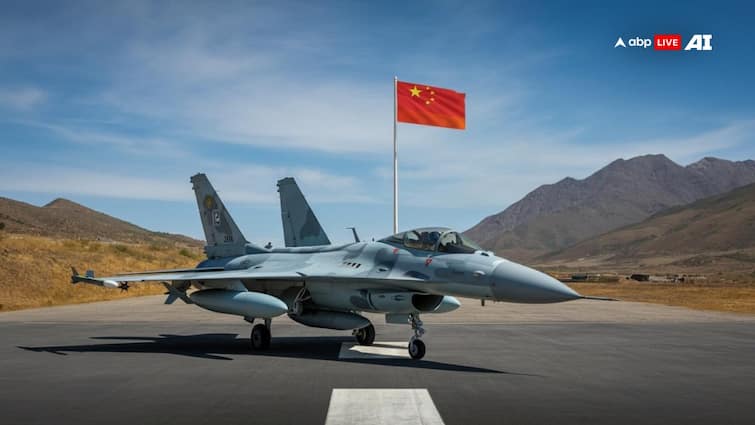
In a recent development that underscores the growing military tensions in Asia, reports have emerged of China’s J-10 ‘Dragon’ fighter jet making its combat debut in the ongoing India-Pakistan conflict. This event marks a significant moment in military aviation and geopolitics in the region, with the Financial Times highlighting the J-10’s involvement but providing limited access to the full details due to a paywall restriction. The situation has sparked intense discussion and analysis among defense experts and geopolitical observers, drawing attention to the capabilities of the involved military hardware and the broader strategic implications for India, Pakistan, and China. From ABP News, a detailed comparison between China’s J-20 fighter jet and India’s Rafale has shed light on the technological and strategic dimensions of the rivalry. The J-20, stationed near India, boasts advanced features like AESA radar and electro-optical targeting systems, with a significant range of 2700 to 3000 kilometers. In contrast, the Rafale, equipped with MICA missiles and capable of carrying nuclear weapons, demonstrates India’s preparedness for high-stakes confrontations, with a proven combat record in various global hotspots. Amidst these developments, aajtak.in reports a bold attempt by Pakistan to target Indian military bases using a combination of missiles, drones, and fighter jets, including the Chinese-made J-10C. India’s air defense systems successfully intercepted these threats, highlighting the intense and technologically advanced nature of this conflict. The use of cutting-edge weaponry such as DJI military drones, PL-15 AAM missiles, and J-10C fighter jets in this confrontation underscores the escalating arms race in the region and the complex web of alliances and rivalries shaping its future. As the situation unfolds, the international community watches closely, with the stability of Asia hanging in the balance.
 TheLittleTwentieth - Renowned Papers Edition, AI Infused