Local sources from Mexico: LatinUS, EL PAÍS.
UK coverage: The Guardian.
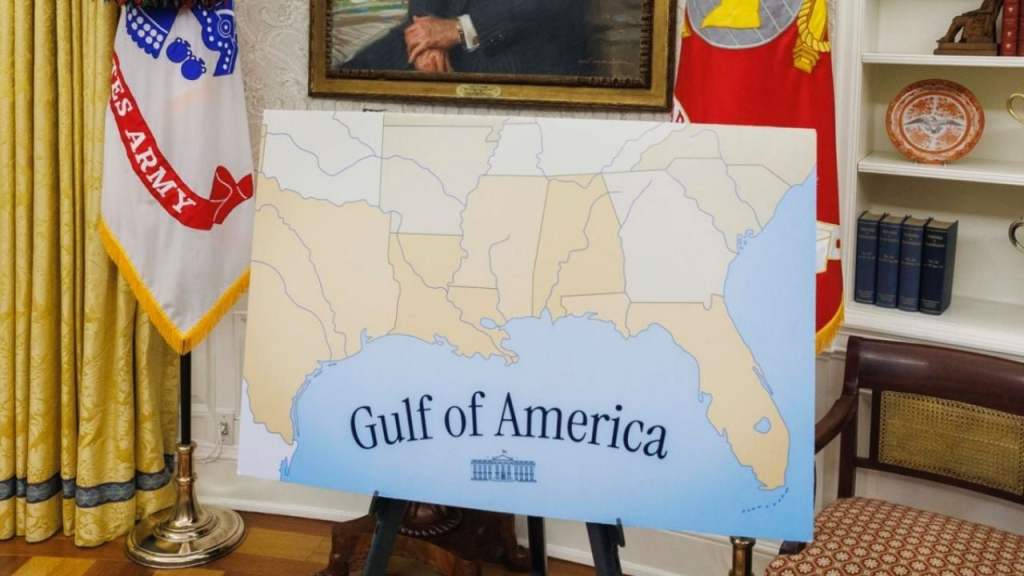
In a bold legal move, the Mexican government under President Claudia Sheinbaum has initiated a lawsuit against tech giant Google. The cause of the dispute? The renaming of the Gulf of Mexico to the ‘Gulf of America’ on Google Maps for users in the United States. This contentious change comes after Republicans in the House of Representatives pushed for the renaming, a policy change that has sparked diplomatic tensions and raised questions about digital sovereignty and international naming conventions.
President Sheinbaum, in a public announcement, articulated Mexico’s stance against the unilateral renaming. She emphasized that while the U.S. President may have authority over certain territorial denominations, the comprehensive renaming of geographic features shared by multiple nations requires international consensus. The Gulf, shared by the U.S., Mexico, and Cuba, has been at the center of this international dispute. The Mexican government’s lawsuit underscores the complexity of digital representations of geographic entities and the legal and diplomatic challenges they can pose.
The lawsuit, as reported by LatinUS, stresses that Google’s decision to label parts of the Gulf as the ‘Gulf of America’ should be limited to those areas under U.S. territorial waters. Meanwhile, EL PAÍS reveals that a judicial resolution has been hinted at in Mexico’s favor, although specific details remain undisclosed. This legal action is not Mexico’s first attempt to address the issue. A previous lawsuit was dismissed, with the judge ruling that the name change did not constitute an infringement on national assets.
This legal battle is set against the backdrop of broader trade tensions and political disputes initiated during Donald Trump’s presidency. President Sheinbaum’s humorous suggestion of renaming the United States to ‘América Mexicana’ reflects the intricate mesh of cultural, political, and economic ties that define the relationship between Mexico and the United States.
As the lawsuit progresses, it will be a landmark case on digital territorial rights, international law, and the power dynamics of digital platforms. The outcome may set precedents for how digital services represent international borders and geographic names, impacting not just political relations but also cultural identities and historical legacies.
 TheLittleTwentieth - Renowned Papers Edition, AI Infused