Local sources from Russia: dw.com, Euronews.com.
UK coverage: Euronews.com.
In a groundbreaking discovery, scientists have identified a new species of dinosaur in Australia. Named Fostoria dhimbangunmal, this herbivorous dinosaur is estimated to have lived around 98 million years ago during the Cretaceous period. Walking on two legs, Fostoria dhimbangunmal provides valuable insights into the diversity and evolution of dinosaurs in Australia during this time. The findings were published in a recent article on Euronews.com.
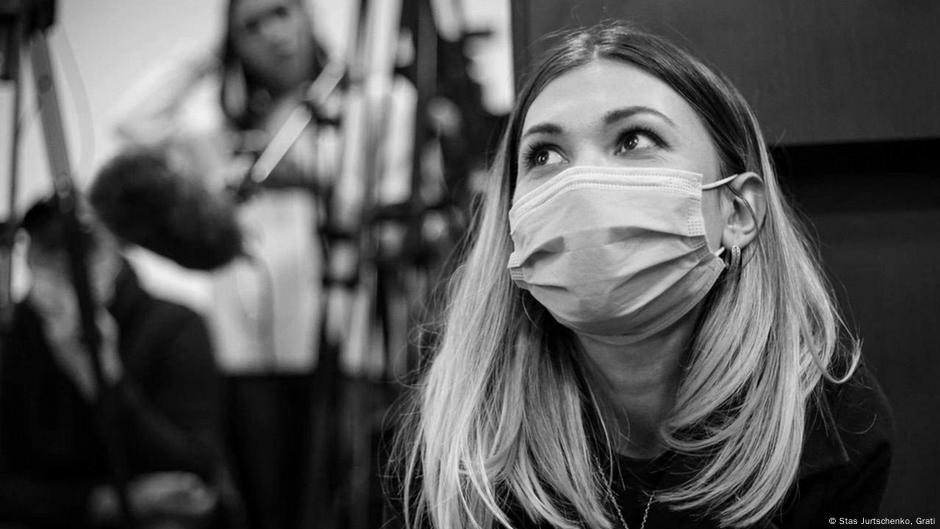
In another news story, Ukrainian journalist Victoria Roshchina’s tragic fate has come to light. According to an investigation by the publication ‘Important Stories’, Roshchina was brutally tortured while in Russian captivity before her death. Her body, returned to Ukraine, was found to be missing several internal organs, which were intentionally removed to hide the evidence of the violence inflicted upon her. This shocking revelation was reported by dw.com and Euronews.com.
Roshchina, who went missing in August 2023 in the occupied territory of Ukraine, was officially acknowledged to be in Russian captivity in April 2024. Her family received a letter from Russian authorities in October of the same year, stating her death without providing any details or reasons. The consortium of journalists Forbidden Stories began investigating her death, leading to the recent revelations.
During the forensic examination, pathologists discovered numerous signs of torture and cruel treatment on Roshchina’s body. These included bruises, contusions, a broken rib, and evidence of electric shock applied to her feet. The autopsy revealed that several internal organs, including her brain, were removed, and her eyes and part of her larynx were missing. Experts also noted bruising on her neck and a broken hyoid bone, indicating possible strangulation.
The condition of Roshchina’s body made it difficult to determine the exact cause of death, but it is highly likely that she was subjected to torture while alive. The removal of organs and attempts to conceal evidence suggest that the Russian side sought to hide the true cause of her death in captivity.
These two stories highlight the ongoing importance of uncovering historical and scientific discoveries while shedding light on human rights abuses and the need for justice. As journalists, it is our duty to bring such stories to the forefront and ensure that they are not forgotten.
 TheLittleTwentieth - Renowned Papers Edition, AI Infused