Local sources from United Kingdom: BBC.com, Yahoo New Zealand News.
UK coverage: BBC.
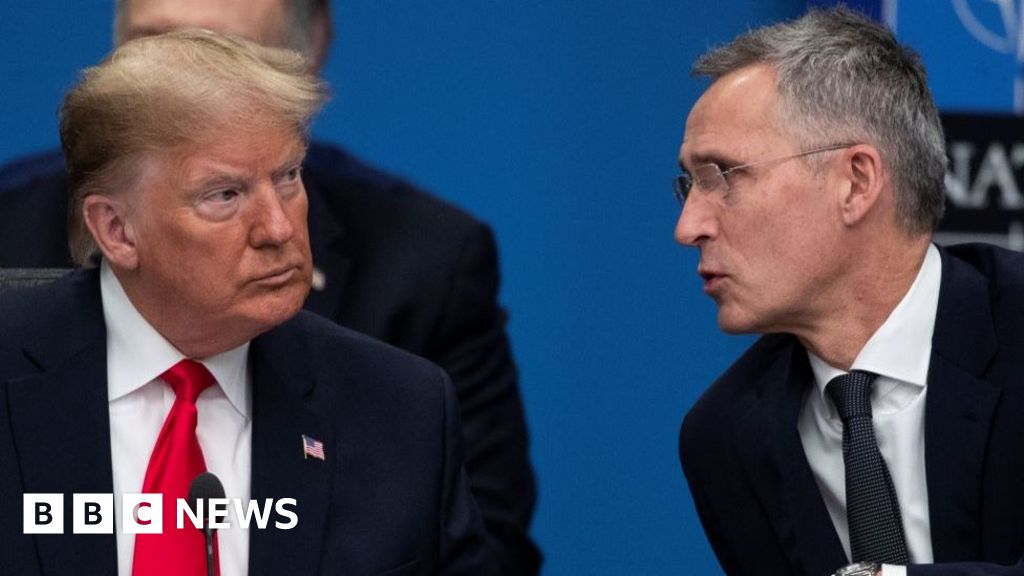
NATO allies are taking measures to ‘Trump-proof’ the alliance as concerns grow about its future under a potential second term of Donald Trump’s presidency. The worry is not that the US will withdraw from NATO entirely, but rather that its commitment to the alliance’s core principle of collective security could weaken. Trump’s past hostility towards NATO and his unpredictability raise concerns among allies. Efforts are being made to manage relationships and limit potential damage. While President Joe Biden has emphasized unity at the NATO summit in Washington, the views of his predecessor, Donald Trump, have cast a shadow over the meeting. The NATO-sceptic stance of Trump has created an atmosphere of urgency and anxiety among world leaders. NATO allies have been reaching out to those in Trump’s political orbit to try to mitigate the potential damage of a second term. However, some experts express concerns about the lack of guardrails and experienced advisors around Trump in a potential second term. The fear among allies is not necessarily a complete withdrawal from NATO, but rather a waning commitment to the alliance’s principle of collective security. Trump’s positions on NATO have ranged from outright hostility to viewing his outbursts as negotiating tactics. He has frequently criticized NATO and rallied his supporters with attacks on the organization. During his presidency, more NATO countries met the alliance’s defense spending targets, partly triggered by Russia’s invasion of Ukraine. While there are efforts to ‘Trump-proof’ NATO, some experts believe it is impossible to fully protect the alliance from potential changes under a second Trump term. The most detailed account of policy positions that might influence a second Trump term comes from ‘Project 2025,’ a blueprint for a Republican president to overhaul the executive branch. It suggests transforming NATO so that America’s role is primarily for its nuclear deterrent, while other members contribute the majority of conventional forces to deter Russia. Despite efforts to shield NATO from the whims of the White House, concerns remain about the alliance’s existence under Trump. The increase in NATO members meeting defense spending targets has provided some insulation for the alliance’s future. However, the real work of ‘Trump-proofing’ NATO appears to be pitching the alliance to conservative Americans to change their views. The NATO summit has seen President Zelensky of Ukraine invoking the memory of Republican President Ronald Reagan to emphasize the importance of working with allies. The message is that Reagan would disapprove of Trump’s NATO-sceptic stance. However, it remains to be seen if this message will resonate with those who need to hear it.
 TheLittleTwentieth - Renowned Papers Edition, AI Infused