Local sources from Cuba: USA TODAY, EMS World.
UK coverage: The Independent.
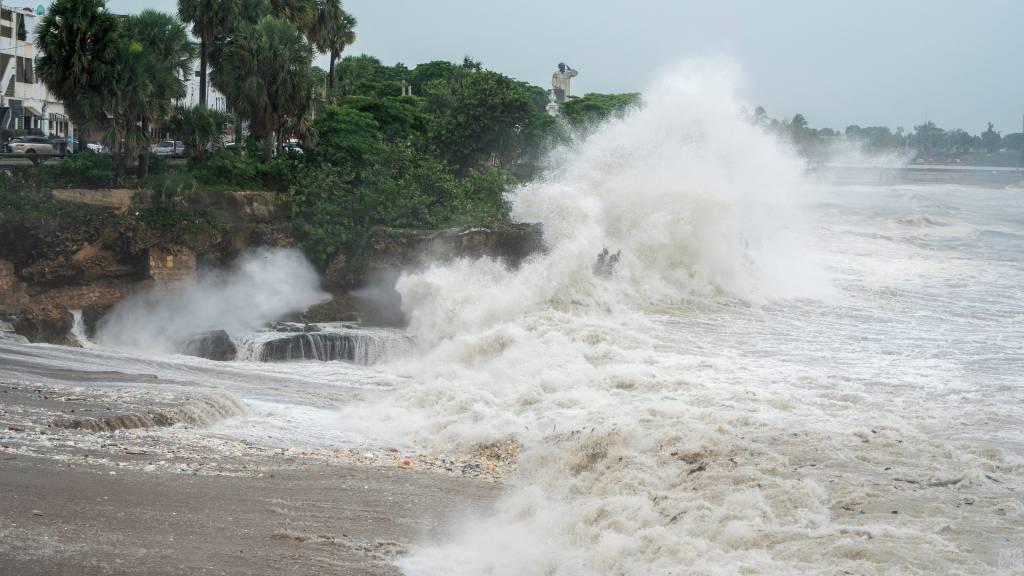
Hurricane Beryl, a Category 4 storm, is currently battering Jamaica with heavy rain, strong winds of 145mph, and a storm surge that could raise coastal levels by 9 feet. The storm has already caused power outages in Portland and has prompted officials to declare Jamaica a disaster area. Evacuations are underway in flood-prone areas, with over 900 shelters available. Hurricane Beryl has already caused significant damage in Grenada, where 98% of buildings were damaged or destroyed. The storm is expected to weaken later this week but could potentially hit southern Texas and Louisiana over the weekend.
A recent study conducted by a team of medical researchers has highlighted the crucial role of early CPR in improving survival rates for patients experiencing cardiac arrest. The study, published in the Journal of Emergency Medicine, analyzed data from over 10,000 cases of out-of-hospital cardiac arrests.
The findings of the study revealed that patients who received CPR within the first few minutes of cardiac arrest had a significantly higher chance of survival compared to those who did not receive immediate CPR. In fact, the survival rate increased by nearly 50% when CPR was initiated within the first three minutes.
The study also emphasized the importance of bystander CPR in saving lives. It showed that when bystanders performed CPR before the arrival of emergency medical services, the survival rate doubled. This highlights the need for widespread CPR training and education to empower individuals to take immediate action in emergency situations.
Furthermore, the study found that the quality of CPR performed also played a crucial role in patient outcomes. Effective chest compressions and proper ventilation were identified as key factors in improving survival rates. The researchers stressed the importance of regular CPR training for healthcare professionals to ensure they maintain the necessary skills and knowledge.
The study’s findings have significant implications for emergency medical services (EMS) providers and healthcare professionals. It underscores the importance of prompt CPR initiation and highlights the need for continuous efforts to improve public awareness and education regarding CPR techniques.
In conclusion, this study reinforces the critical role of early CPR in saving lives during cardiac arrest. It emphasizes the need for immediate action by bystanders and highlights the importance of ongoing CPR training for healthcare professionals. By prioritizing early CPR and ensuring its proper execution, we can significantly improve survival rates and make a positive impact on the outcomes of cardiac arrest cases.
 TheLittleTwentieth - Renowned Papers Edition, AI Infused