Local sources from Russia: ГОЛОС АМЕРИКИ – VOA Russian, Независимая газета.
UK coverage: Al Jazeera English.
Tensions are escalating in France as Marine Le Pen’s far-right National Rally party takes the lead in the first round of parliamentary elections. The rise of the National Rally has sparked fear among France’s six million Muslims, who are concerned about their future under Le Pen’s leadership. Le Pen has advocated for a ban on the hijab in public spaces, while her protege, Jordan Bardella, has promised to prohibit dual nationals from certain state jobs. Muslims in France are contemplating emigration due to discrimination and the harmful effects of Islamophobia. There are also concerns about potential increases in police violence and discrimination if the far right dominates the parliament.
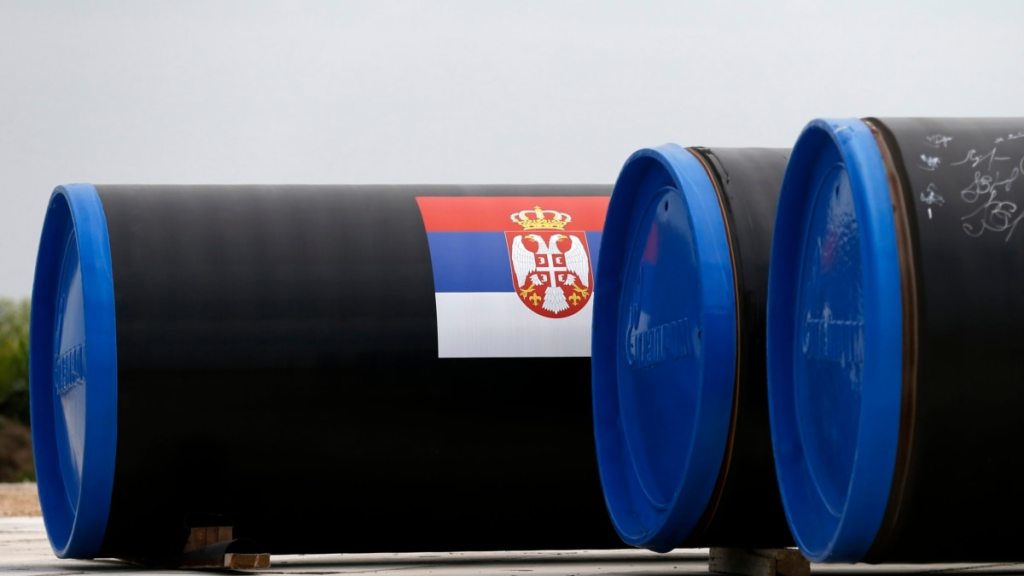
In an article from ГОЛОС АМЕРИКИ – VOA Russian, it is reported that Gazprom, the Russian gas giant, is being forced to trade at a discount in order to maintain its presence in the European market. The report, published by the Center for European Policy Analysis (CEPA), reveals that Gazprom is offering buyers in Central and Eastern Europe a discount of at least 10% in an attempt to regain customers. The move comes after Europe sought alternative energy sources following the reduction of gas supplies from Russia due to the invasion of Ukraine. Gazprom has incurred a net loss for the first time in 25 years, and its remaining European clients can be counted on one hand.
According to Независимая газета, Gazprom’s loss of the European market has resulted in a reorientation of its export deliveries. The company is now focusing on implementing large-scale investment projects, including expanding supplies to Central Asia and increasing deliveries to China. However, experts believe that it will be challenging for Gazprom to compensate for the loss of the European market through these alternative routes. The volume of gas supplies via the Power of Siberia pipeline does not yet make up for the decline in European exports. Gazprom’s plans to increase gas supplies to China and launch the Baltic LNG plant may help restore export levels to those of 2021 by 2030, but it is unlikely to fully replace the lost share in the European market.
As tensions rise in France and the far-right party gains momentum, the situation in Europe’s energy market is also undergoing significant changes. The outcome of these developments will have far-reaching implications for both France’s Muslim population and Gazprom’s future in the European market.
 TheLittleTwentieth - Renowned Papers Edition, AI Infused