Local sources from India: BBC News हिंदी, News18 हिंदी.
UK coverage: ITV News.
Former President Donald Trump’s sentencing in his hush-money case has been delayed until at least September following a Supreme Court ruling on presidential immunity. Trump’s lawyers argued that the Supreme Court’s decision confirmed their earlier defense that prosecutors should not have been allowed to introduce certain evidence. The Supreme Court ruled that former presidents have broad immunity from prosecution, extending the delay in the criminal case against Trump. President Joe Biden criticized the decision, stating that no one is above the law, not even the president.
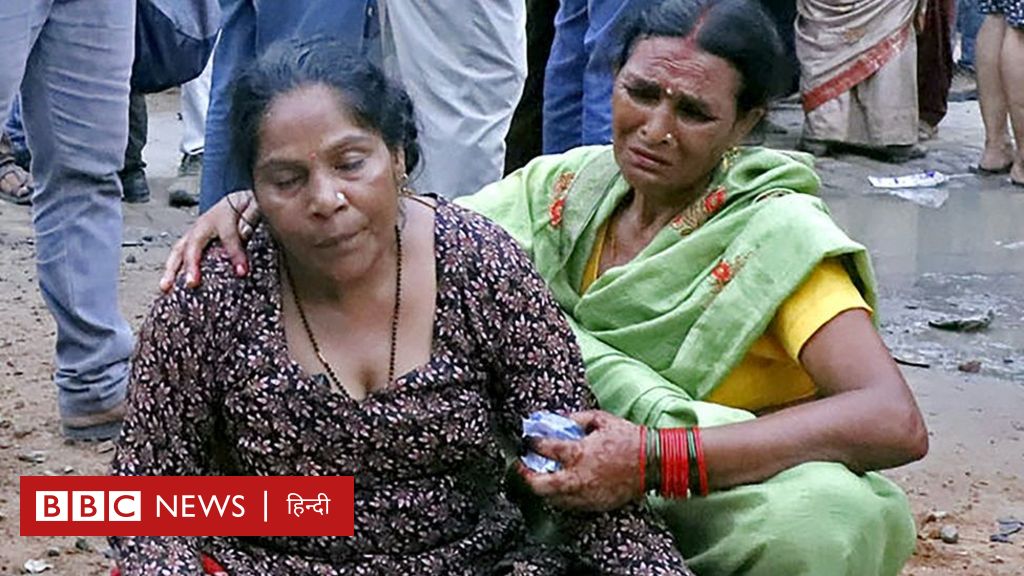
In other news, a recent article from BBC News हिंदी titled ‘Hathras Incident: Violence and Deaths in Temples, Religious Events, and Fairs’ highlights the recurring issue of violence and deaths during religious events in India. The article mentions several incidents where stampedes and violence have resulted in numerous casualties. For example, in 2005, 340 people lost their lives during a stampede at Mandhardevi in Satara, Maharashtra. Similarly, in 2008, 250 people were killed during a stampede at Chamunda Devi Temple in Rajasthan.
The article also mentions a recent incident in Hathras district, Uttar Pradesh, where a satsang (religious gathering) turned violent, resulting in the death of 100 people. Eyewitnesses fear that the death toll may rise further. The article emphasizes that such incidents are not uncommon in India and raises concerns about the lack of proper crowd management and infrastructure during religious events.
Another article from News18 हिंदी titled ‘Why are Religious Gatherings Prone to Disasters, with Women Being the Most Affected?’ delves into the reasons behind the occurrence of disasters, particularly stampedes, during religious gatherings. The article highlights that negligence of basic rules and provisions, overcrowding, poor crowd control, and lack of proper exit routes contribute to these incidents. It also points out that women are often the primary victims due to various factors such as their physical limitations, traditional attire like sarees hindering their escape, and higher levels of anxiety.
The article suggests that the responsibility for crowd safety lies with the organizers of religious events, venue owners, and state administration. It also raises the question of whether there should be a limit on the crowd or larger event venues based on the number of attendees. The article concludes by highlighting the need for better crowd management systems and infrastructure to prevent such disasters.
In conclusion, the sentencing of former President Donald Trump has been delayed due to a Supreme Court ruling on presidential immunity. Meanwhile, incidents of violence and deaths during religious events in India continue to raise concerns about crowd management and infrastructure. It is crucial for authorities to prioritize the safety of attendees and implement measures to prevent such disasters in the future.
 TheLittleTwentieth - Renowned Papers Edition, AI Infused