Local sources from Kenya: Al Jazeera English, FRANCE 24 English.
UK coverage: The Telegraph.
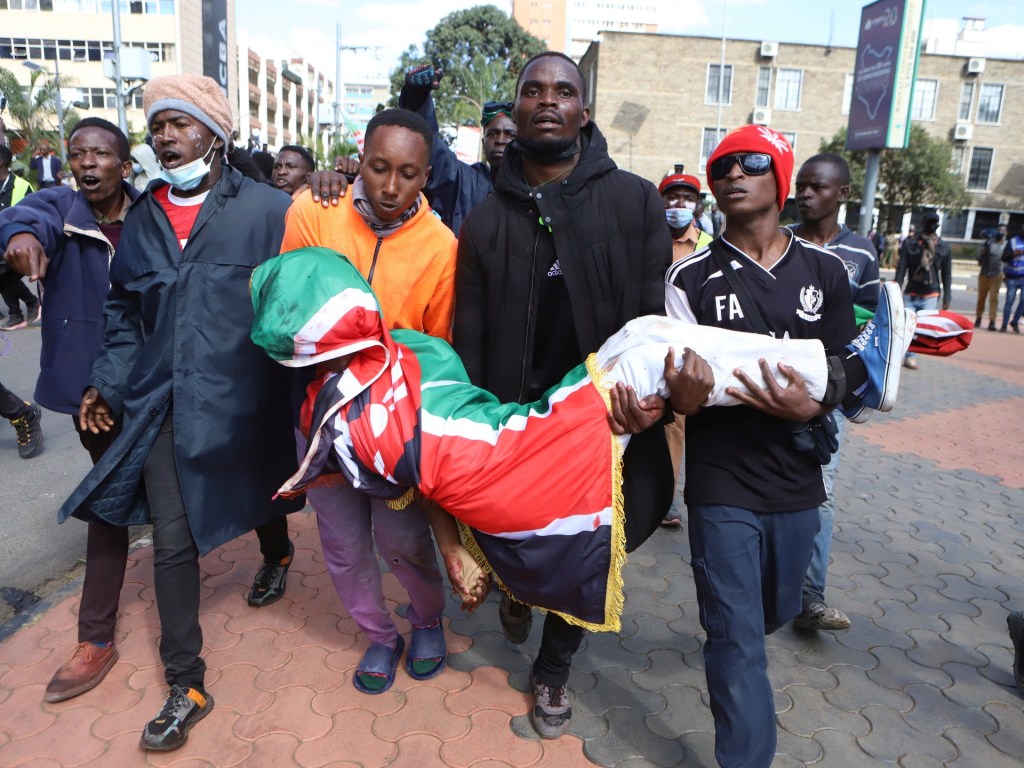
Protests have erupted in Kenya as Gen Z activists mobilize against tax increases imposed by the government. Unlike previous protests, this movement is targeting the entire political class rather than specific individuals. The middle class, who have been heavily taxed to pay off the country’s debts and fund pro-poor initiatives, are leading the opposition. President Ruto underestimated the middle class’s willingness to take action, assuming they would not risk their own interests. However, as their salaries decreased and taxes continued to rise, their patience wore thin, leading to widespread demonstrations.
According to an article from Al Jazeera English titled ‘Kenya’s Ruto says finance bill to be withdrawn after deadly protests,’ President William Ruto has announced that he will not sign a finance bill that led to protesters storming Parliament in response to rising costs. He stated that the bill, which included tax hikes, would ‘be withdrawn.’ In a televised address, Ruto mentioned that he would initiate a dialogue with Kenyan youth and implement austerity measures, starting with budget cuts to the presidency, to address the country’s financial situation. This move is seen as a significant victory for the protest movement, which began as online condemnations of the proposed tax increases and escalated into mass demonstrations demanding political reform.
Furthermore, an article from FRANCE 24 English titled ‘More than a dozen killed in Kenya protests over tax hike proposals’ reports that at least 13 people were killed in protests on Tuesday in Kenya after police opened fire on protesters demonstrating against proposals on tax hikes aimed at reducing government debt. The youth-led rallies that started peacefully last week took a violent turn after crowds stormed and burned down parts of the country’s parliament building. The death toll from the protests has climbed to 13, and the government has deployed the military to support the police in tackling the security emergency in the country.
The protests in Kenya have shocked the nation and prompted President Ruto’s government to take action. While the government initially proposed tax hikes to reduce reliance on foreign debt, the middle class, who have been heavily burdened by taxes, have led the opposition. President Ruto’s announcement that he will not sign the finance bill and will initiate a dialogue with Kenyan youth is seen as a significant victory for the protest movement. However, there is still skepticism among some protest organizers and citizens, who are waiting to see Ruto’s next steps. The violence during the protests, including the storming and burning of the parliament building, has led to a death toll of at least 13 people and injuries to many others. The international community has expressed deep concern over the unrest, and rights watchdogs have accused the authorities of abducting protesters.
The protests in Kenya highlight the frustrations of the middle class and their willingness to take action against tax increases. The government now faces the challenge of addressing the country’s financial situation and finding a resolution that satisfies the demands of the protesters. As the situation unfolds, it remains to be seen how President Ruto will navigate this crisis and whether the dialogue with Kenyan youth will lead to meaningful change.
 TheLittleTwentieth - Renowned Papers Edition, AI Infused