Local sources from Saudi Arabia: الحرة, BBC.com.
UK coverage: Middle East Eye.
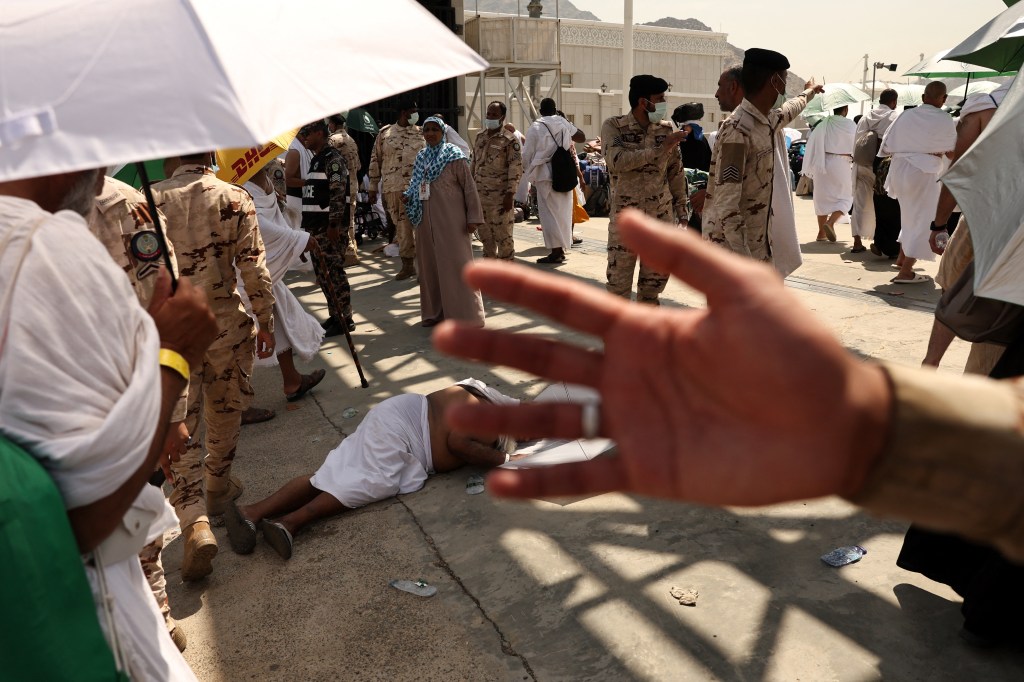
Saudi Arabia has been hit by a tragic incident during this year’s annual Hajj pilgrimage, with over 1,300 pilgrims, mostly Egyptians, losing their lives due to extreme heat. Survivors and witnesses are pointing fingers at Saudi authorities, claiming negligence as the cause of these avoidable deaths. The pilgrims were forced to endure long walks in scorching heat without proper facilities or medical services. While the Saudi government blames unauthorised pilgrims, witnesses argue that the authorities failed to provide adequate infrastructure and transportation for all pilgrims.
According to a report from الحرة, the rising costs of Hajj have led to the emergence of unofficial travel agencies promising transportation and accommodation guarantees that often go unfulfilled or fall below required standards. This has resulted in many, especially the elderly, resorting to the dangerous route of irregular Hajj. The extreme heat this year has only exacerbated the tragedy, with temperatures reaching record levels in Saudi Arabia.
The BBC.com article reveals that Saudi Arabia has announced the death of at least 1,301 pilgrims, with the majority not having official permits for Hajj. These pilgrims traveled long distances under direct sunlight without proper shelter, enduring the severe heatwave that plagued this year’s rituals. Saudi Health Minister Fahd Al-Jalajel acknowledged efforts to raise awareness about the risks of heat stress and provide healthcare services to nearly half a million pilgrims, including over 140,000 without permits.
Criticism has been directed at Saudi Arabia for not doing enough to ensure the safety of unregistered pilgrims who lack access to facilities such as air-conditioned tents and official transportation. The extreme temperatures in Mecca, reaching 51.8 degrees Celsius, have further highlighted the need for stronger measures to protect pilgrims.
Countries around the world have reported the number of their citizens who died during Hajj, with Egypt recording 658 deaths and Indonesia reporting over 200. India confirmed 98 deaths, while Pakistan, Malaysia, Jordan, Iran, Senegal, Sudan, and the autonomous Kurdistan region of Iraq also reported deaths.
As investigations continue, questions arise about the allocation of Hajj permits and the distribution process. Many individuals attempt to perform the pilgrimage without official permits due to the high costs involved, despite the risk of arrest and deportation if caught.
The tragedy during this year’s Hajj pilgrimage has raised concerns about the need for better infrastructure, transportation, and healthcare services to ensure the safety and well-being of all pilgrims. The Saudi government must address these issues to prevent future tragedies and uphold its responsibility to protect the health and lives of those participating in this sacred event.
 TheLittleTwentieth - Renowned Papers Edition, AI Infused