Local sources from Poland: GazetaPrawna.pl, Rzeczpospolita.
UK coverage: Express.
Polish farmers have devised a unique strategy to deter illegal immigrants from crossing the border with Belarus. They have started spraying pig manure along the border, assuming that the majority of immigrants are Muslims who consider pigs unclean. This unconventional approach is aimed at preventing immigrants from crossing the border. The move comes as Belarus faces accusations of aiding immigrants in their journey to Poland, Lithuania, and Latvia. Poland has responded by increasing border security and implementing a no-entry buffer zone.
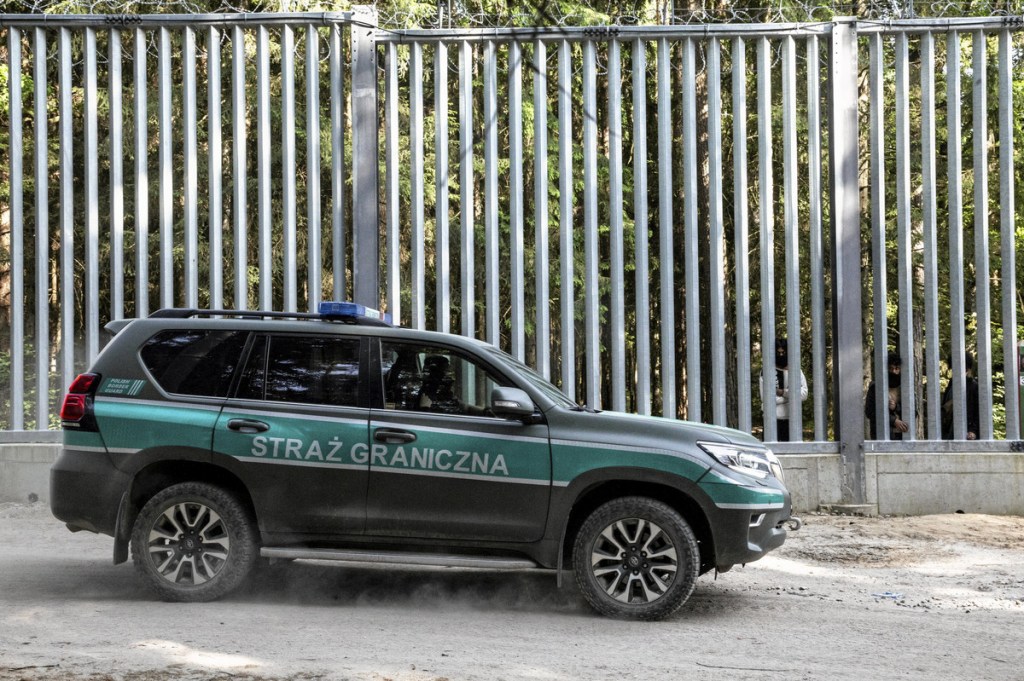
According to an article from GazetaPrawna.pl titled ‘Border Barrier Works. Business Thrives on Migrants,’ the effectiveness of the barrier is limited. The migration route remains functional, with an estimated 600-800 people passing through Poland weekly. This includes individuals crossing the Polish-Belarusian border and those traveling from Belarus to the Baltic states before entering Poland. Many of these migrants aim to move on to Western Europe, with some attempting to enter Germany through the Polish border. The number of attempts to illegally enter Germany has increased significantly compared to the previous year. The Border Guard disputes these estimates, citing undisclosed data related to national security.
The popularity of the eastern migration route is evident in foreign forums. Despite being more expensive than other routes, migrants consider it safer and more effective. The migration pressure on Poland’s eastern border continues to rise, indicating the profitability of smuggling operations. Belarusian authorities play a significant role in sustaining this migration route by providing equipment and tools to overcome the border, such as pontoons, barriers, ladders, and cutting equipment.
An article from Rzeczpospolita titled ‘Poland Begins Extraditing Ukrainian Citizens Engaged in Human Trafficking’ highlights another aspect of the border situation. Ukrainian law enforcement agencies plan to seek the extradition of conscription-age men who illegally left Ukraine to avoid mobilization. Thousands of Ukrainian citizens have obtained false rulings of service incapacity through bribes, potentially leaving around 80,000 individuals subject to mobilization in Poland. This poses a significant concern for Ukraine’s defense and security.
Polish authorities acknowledge that the border is not completely secure, as evidenced by the involvement of Belarusian services in orchestrating illegal border crossings. Events occur simultaneously at multiple locations, with large groups crossing the border and then dispersing into smaller groups to hide in the forest. The determination of smugglers and organizers is evident, as they view illegal border crossings as a lucrative source of income.
To address the situation, Poland has constructed an electronic barrier and plans to implement additional security measures on the eastern border. The investments in border security have been appreciated by foreign partners, including representatives from Denmark, Finland, and Lithuania. However, the barrier is not resistant to bending the rungs and digging tunnels, leading to the installation of additional barbed wire. The exact number of successful border crossings remains unknown, but experts believe that the increasing number of unsuccessful attempts indicates a rise in the attractiveness of the route and successful entries into Poland.
In summary, Polish farmers’ unconventional use of pig manure along the border aims to deter illegal immigrants, assuming that the majority would be deterred due to religious beliefs. The migration route from Belarus remains functional, with migrants attempting to enter Poland and then move on to Western Europe. Belarusian authorities play a significant role in sustaining this route by providing equipment and tools to overcome the border. Additionally, the situation involves Ukrainian citizens who have illegally left their country to avoid mobilization, potentially leaving a significant number subject to conscription in Poland. Polish authorities continue to address the border security challenges by implementing various measures and seeking support from foreign partners.
 TheLittleTwentieth - Renowned Papers Edition, AI Infused