Local sources from South Africa: Al Jazeera English, Sky News.
UK coverage: Sky News.
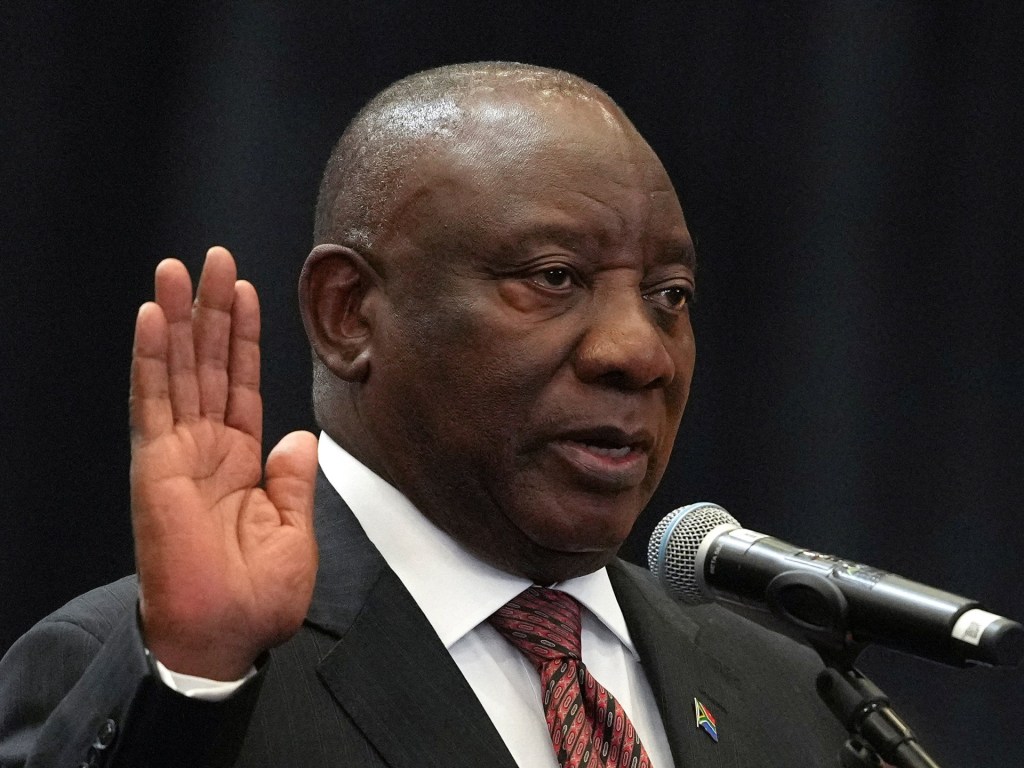
Cyril Ramaphosa has been re-elected for a second term as president of South Africa after his African National Congress (ANC) party struck a coalition deal with the centre-right Democratic Alliance (DA) and smaller parties. The ANC lost its controlling majority in last month’s election, winning just 40% of the vote. The power-sharing agreement marks a new era in South African politics, with Ramaphosa praising the parties for coming together.
According to an article from Al Jazeera English titled ‘South African President Ramaphosa set for re-election as DA gives backing,’ the ANC, which has been in power since 1994 after fighting against apartheid, lost its majority for the first time in the recent election. After two weeks of negotiations, the Democratic Alliance (DA), the second-largest party, announced its support for Ramaphosa, ensuring his re-election. The DA’s leader, John Steenhuisen, stated that they would be supporting Ramaphosa’s election as the president of South Africa.
The article further explains that the ANC and DA, along with two smaller parties, the Inkatha Freedom Party and the Patriotic Alliance, have agreed to form a coalition government. This government of national unity is seen as a new chapter in South African politics, as it brings together parties that have been ideologically opposed in the past. However, there are still questions about how key positions in the new government, such as cabinet and ministerial positions, will be allocated.
The article from Sky News, titled ‘South Africa’s President Cyril Ramaphosa re-elected for second term after coalition deal,’ highlights that the ANC’s loss of the controlling majority in the election forced them to negotiate a power-sharing agreement with rival parties. The ANC won only 40% of the vote, marking a significant decline in their support over the years. In his speech to parliament, Ramaphosa expressed his gratitude for being re-elected and emphasized the responsibility that comes with the position.
The article also mentions that the ANC had reservations about joining forces with the Democratic Alliance due to concerns about the party’s popularity among its own voters. However, the ANC’s member, Sihle Zikalala, stated that this coalition marks the beginning of a new era where differences are put aside for the betterment of all South Africans. The leader of the DA, John Steenhuisen, expressed optimism about working together and building a better future for the country.
Overall, Cyril Ramaphosa’s re-election as the president of South Africa through a coalition deal signifies a new era in the country’s politics. The ANC’s loss of the controlling majority reflects the challenges they face, including widespread poverty, a stagnant economy, and rising unemployment. The power-sharing agreement with the DA and smaller parties demonstrates a willingness to unite for the betterment of the nation. As Ramaphosa begins his second term, there will be expectations for him to address these pressing issues and bring about positive change.
 TheLittleTwentieth - Renowned Papers Edition, AI Infused