Local sources from Nigeria: Al Jazeera English, FRANCE 24 English.
UK coverage: Al Jazeera English.
Nigeria is currently experiencing a major strike as the country’s main labor unions have shut down the national power grid and disrupted flights across the nation. This strike is in protest of the government’s failure to agree on a new minimum wage, with unions demanding a 1,500% increase. The unions are calling for the current monthly minimum wage of $20 to be increased to $336, while the government has offered $40. This strike marks the fourth time the Nigerian Labor Congress and the Trade Union Congress have taken such action since President Bola Tinubu assumed office.
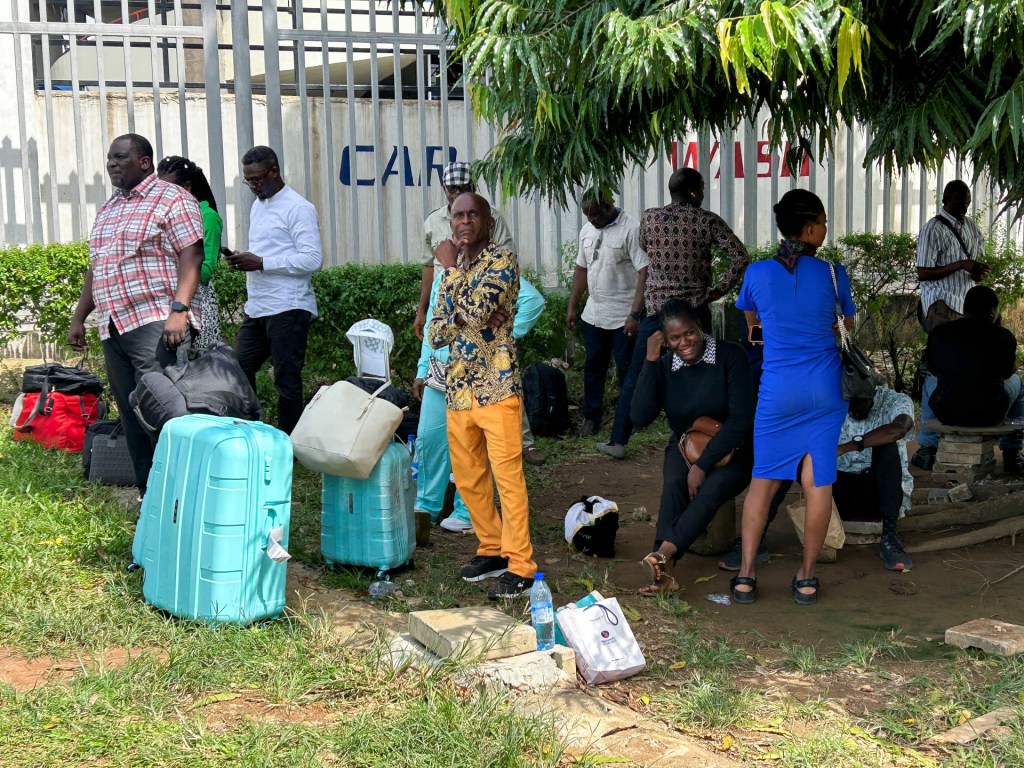
According to a report from Al Jazeera English, the Transmission Company of Nigeria (TCN) announced that union members drove operators away from power control rooms and shut down at least six substations, ultimately leading to the shutdown of the national grid at 2:19 am. As a result, Nigeria has lost electricity, and major airports in the country have been forced to shut down. Ibom Air has suspended all flights until further notice, and United Nigeria has reported that striking workers have not allowed any of its flights to operate.
The strike has been initiated by the Nigerian Labor Congress (NLC) and the Trade Union Congress (TUC), two of the country’s largest union federations. These unions represent hundreds of thousands of government workers across various key sectors. Their demand is for the current minimum monthly wage of 30,000 naira ($20) to be increased to nearly 500,000 naira ($336). On the other hand, the government has offered 60,000 naira ($40). The unions argue that their demand is necessary for a living wage and to alleviate the cost-of-living crisis exacerbated by President Tinubu’s reforms, which have fueled inflation to a nearly 30-year high.
The strike comes after talks between the unions and the government collapsed, leading to the declaration of an indefinite strike until a new minimum wage is agreed upon. The unions’ demand would increase the government’s wage bill by 9.5 trillion naira ($6.3 billion), a figure that the Information Minister Mohammed Idris believes could destabilize the economy.
In addition to the minimum wage increase, the unions have also demanded a reversal of the electricity tariff hike that was implemented last month. They argue that this hike disproportionately affects better-off consumers who use the most power, as the government aims to reduce subsidies in the economy.
While the strike has caused significant disruptions, including the shutdown of the power grid and airports, Nigeria’s oil regulator chief, Gbenga Komolafe, has assured that contingencies are in place to prevent any disruption to oil production.
Nigeria’s privatization body recently announced that the country has secured a $500 million loan from the World Bank for its electricity sector, highlighting the ongoing challenges in the country’s power infrastructure.
As the strike continues, it remains to be seen how the government and unions will reach a resolution that addresses the concerns of workers while also considering the impact on the economy and the overall welfare of the Nigerian people.
 TheLittleTwentieth - Renowned Papers Edition, AI Infused