Local sources from Indonesia: BBC.com, The Guardian.
UK coverage: BBC.
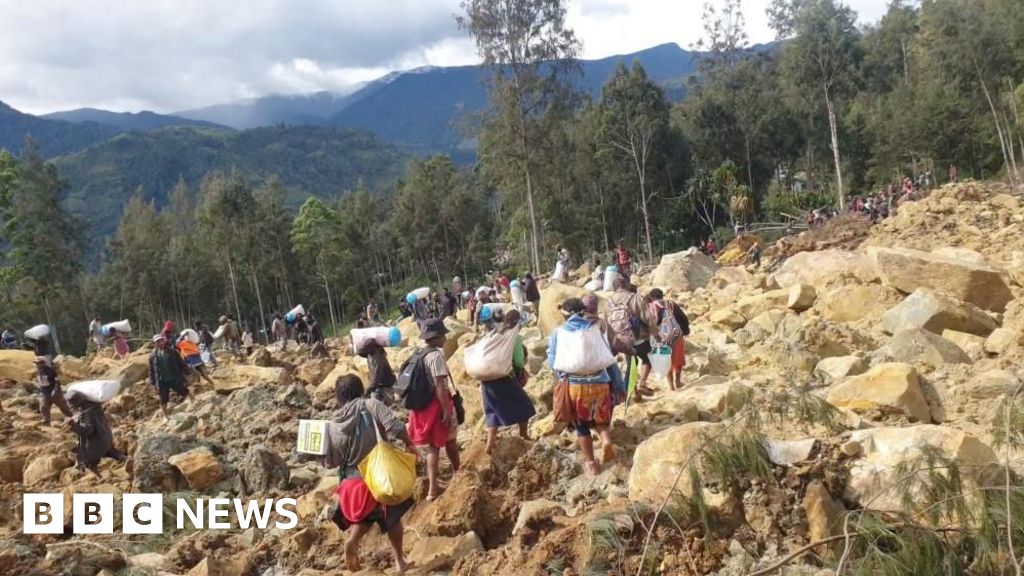
A massive landslide in Papua New Guinea’s Enga province has left hundreds of people feared dead. Emergency services are racing to reach the affected villages, but difficult terrain and damaged roads are hindering rescue efforts. The area can only be accessed by helicopter as the highway is blocked. The death toll remains uncertain, but reports suggest that over 300 people and 1,182 houses may have been buried in the landslide.
According to a report from BBC.com, a rapid response team consisting of medics and military personnel has managed to reach the isolated landslide site. However, rescue efforts are being hampered by the difficult terrain and damage to main roads. The area can only be accessed by helicopter, as the highway is blocked. Care Australia, a humanitarian agency, expressed concerns about the high death toll due to the landslide burying hundreds of homes in the highlands of Enga.
The Guardian reports that an emergency convoy is delivering food, water, and other provisions to the survivors of the landslide. The convoy left the provincial capital of Wabag and is heading to the devastated village of Yambali, which is located 60km away. The main road between Yambali and the capital, Port Moresby, is blocked, making relief efforts challenging. The International Organisation for Migration’s mission chief in Papua New Guinea, Serhan Aktoprak, stated that if the number of buried houses estimated by local authorities is correct, the death toll could be higher than initially reported.
The landslide has caused significant destruction, with reports indicating that all food gardens that sustain the village’s subsistence farming population were destroyed. Additionally, the three streams that provide drinking water were buried by the landslide, further exacerbating the situation. The relief effort is also being hindered by the closure of the province’s main highway and the loss of power in the region.
Papua New Guinea, a diverse developing nation with a population of 10 million, is predominantly made up of subsistence farmers. The country has limited infrastructure, and with 800 languages spoken, communication and coordination during times of crisis can be challenging. The Australian prime minister, Anthony Albanese, has expressed his country’s readiness to assist, and US president Joe Biden has also offered assistance and expressed condolences for the loss of life and devastation caused by the landslide.
As emergency services continue their race against time to reach the affected villages, the death toll and extent of the destruction caused by the landslide remain uncertain. The international community stands ready to support Papua New Guinea in its recovery efforts and provide aid to the survivors in their time of need.
 TheLittleTwentieth - Renowned Papers Edition, AI Infused