Local sources from Serbia: Bloomberg Adria, Radio Slobodna Evropa.
UK coverage: The Guardian.
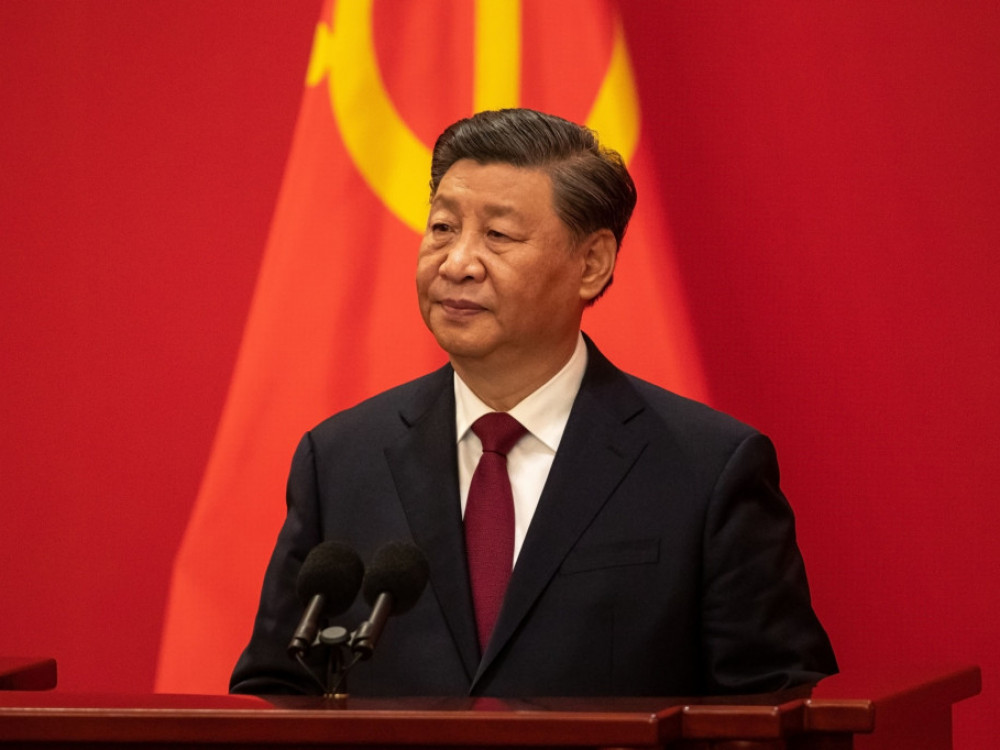
Chinese President Xi Jinping arrived in Serbia on the first leg of his European tour, receiving a warm welcome in contrast to tensions with the EU over a potential trade war. Xi criticized NATO for the 1999 bombing of the Chinese embassy in Belgrade, in which three Chinese journalists were killed. Serbia and Hungary, seen as China-friendly, are expected to support Xi throughout his visit, with direct Chinese investment in the two countries exceeding €15bn. Xi is also expected to highlight the new high-speed train service being built by China Railway between Belgrade and Budapest.
Xi Jinping’s second visit to Serbia in eight years comes at a significant time, coinciding with the 25th anniversary of the destruction of the Chinese embassy building during NATO bombing. The visit is part of Xi’s first trip to Europe in the past five years, during which he will also visit France and Hungary. The Chinese president’s visit aims to enhance bilateral relations and cooperation between China and Serbia.
During Xi’s visit, discussions are expected to cover various topics, including political, economic, and technological issues, as well as cultural cooperation. Notably, two important topics on the agenda are additional investments by Zijin and HBIS, two major Serbian exporters, in green technology. China has become Serbia’s second-largest trading partner, with a total trade volume of $6.1 billion last year, marking a significant increase. Chinese companies have also invested around €18 billion in Serbia, making China the largest individual investor in the country.
The visit holds strong symbolism as it coincides with the anniversary of the NATO bombing of the Chinese embassy in Belgrade. This event deeply impacted the Chinese, and during his previous visit in 2016, Xi Jinping paid tribute to the victims of the bombing. The Chinese president’s visit to Serbia is seen as a gesture of solidarity and a reaffirmation of the strong ties between the two nations.
Serbia’s close ties with Russia and China have been a point of contention in its path towards EU membership. Despite being a candidate for EU membership since 2012, Serbia has maintained its relationships with Russia and China, primarily due to their support as permanent members of the United Nations Security Council regarding the issue of Kosovo. This has led to Serbia meeting fewer criteria for EU membership over the years.
Xi Jinping’s visit to Hungary also carries symbolic significance, beginning on May 9, which is celebrated as Victory Day over fascism in World War II and Europe Day. Hungary, like Serbia, is considered a significant partner of China in Europe and is part of China’s Belt and Road Initiative. Hungarian Prime Minister Viktor Orbán has advocated pro-Russian and pro-Chinese views, leading to criticism from Brussels and some EU member states.
The visit of President Xi Jinping to Serbia and Hungary highlights the growing influence and strategic partnerships that China is forging in Europe. It also underscores the complexities and tensions between the EU and China, particularly in the context of trade disputes. As Xi continues his European tour, the outcomes of his meetings and discussions will undoubtedly shape the future of China’s relations with these countries and the wider region.
 TheLittleTwentieth - Renowned Papers Edition, AI Infused