Local sources from Kenya: Al Jazeera English, BBC.
UK coverage: Sky News.
In a heroic act of bravery, Kenyan tour guide James Apolloh Omenya saved the lives of 14 tourists and 25 staff members who were caught in the midst of devastating floods in the Maasai Mara national reserve. The heavy rainfall had caused the water levels to rise rapidly, posing a grave danger to everyone in the area. Omenya quickly woke everyone up and led them to a single room for safety. However, realizing that the water level would continue to rise, he made the decision to move the group to a higher platform next to concrete water tanks. This strategic move ultimately saved their lives. The Kenya Red Cross eventually came to their rescue and evacuated them from the area.
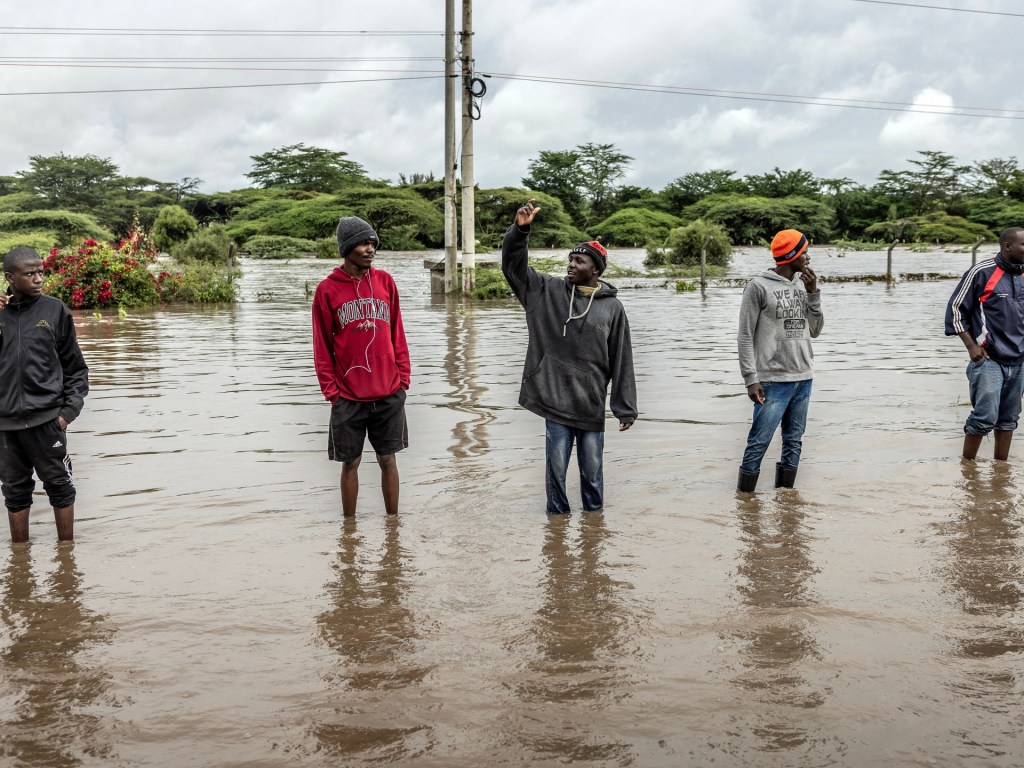
The flooding in the Maasai Mara national reserve has had a significant impact on the park’s ecosystem, particularly affecting giraffes and gazelles. The devastating floods have caused widespread destruction and loss of life across Kenya. According to an article from Al Jazeera English, more than 200 people have died, thousands have been displaced, and nearly 2,000 schools have been destroyed. The flooding has been exacerbated by a lack of investment by the government, with poorly maintained drains and blocked culverts contributing to the accumulation of water in low-income neighborhoods like Mathare.
The Kenyan government’s response to the floods has faced criticism, with residents of affected areas expressing frustration over the lack of assistance. President William Ruto’s government has ordered mandatory evacuations for residents living close to dams and water reservoirs in 33 counties in anticipation of Cyclone Hidaya, which is expected to bring further heavy rainfall, large waves, and strong winds. The government has also postponed the reopening of schools for their second term until further notice, as many schools have been destroyed or are being used as shelters for those displaced by the floods.
The vulnerability of Nairobi’s infrastructure has been exposed by the deluge of floods. The city’s overwhelmed infrastructure has struggled to cope with the heavy rainfall, leading to concerns about the strain caused by ongoing building developments. In response to the criticism, President Ruto has issued a directive to halt all building development approvals until a thorough review can be conducted.
The situation in Kenya remains critical as the country braces for the impact of Cyclone Hidaya. The search for missing individuals and the recovery of bodies is expected to become even more challenging due to the cyclone’s effects. The floods and their devastating consequences serve as a stark reminder of the human cost of the climate crisis and the need for informed development and investment in infrastructure to mitigate such disasters in the future.
 TheLittleTwentieth - Renowned Papers Edition, AI Infused